
Abdominoplasty Sydney | Tummy Tuck Surgery & Umbilical Repositioning
What is Abdominoplasty?
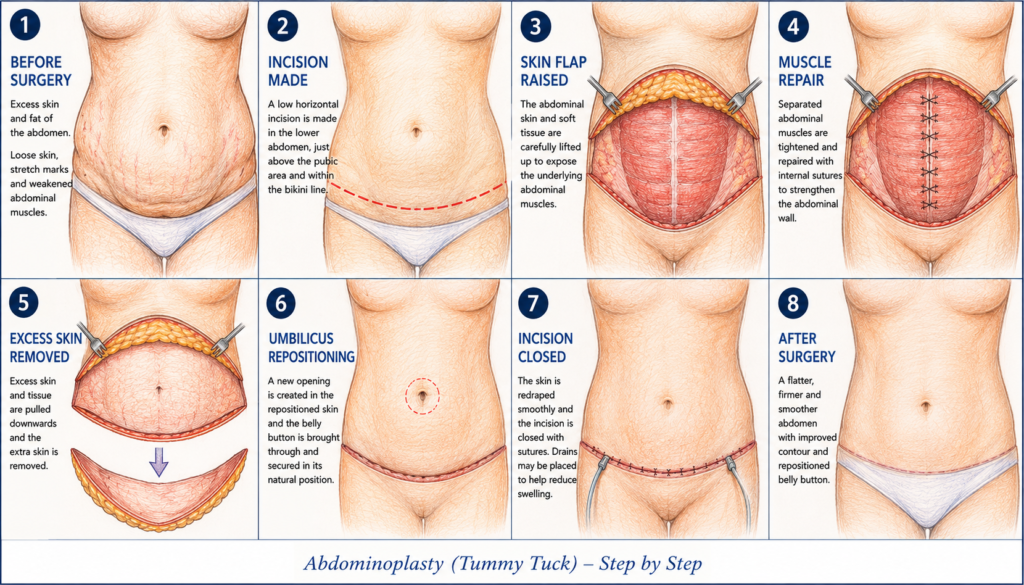
Abdominoplasty, commonly known as a tummy tuck, is a body contouring surgical procedure designed to remove excess abdominal skin and fat while tightening weakened or separated abdominal muscles. The procedure helps create a flatter, firmer, and more defined abdominal contour.
Abdominoplasty is one of the most commonly performed cosmetic surgery procedures for patients after pregnancy, significant weight loss, or age-related skin laxity. Many patients experience loose hanging skin, muscle separation, stretch marks, and stubborn abdominal fullness that cannot be corrected through diet and exercise alone.
At our Sydney cosmetic surgery practice, abdominoplasty is customised to each patient’s anatomy, goals, and skin quality to achieve natural-looking and proportionate body contouring results.
What Causes Loose Abdominal Skin and Muscle Separation?
The abdominal wall can become stretched due to:
Pregnancy
Significant weight loss
Ageing
Genetics
Previous abdominal surgery
Weight fluctuations
Many patients develop separation of the abdominal muscles, known as diastasis recti, where the muscles pull apart in the midline. This may contribute to abdominal bulging, poor waist definition, weakened core strength, and difficulty fitting into clothing.
Abdominoplasty surgery addresses both the excess skin and the underlying muscle laxity to restore abdominal contour and support.
What is Umbilical Repositioning?
Umbilical repositioning refers to the surgical recreation and repositioning of the belly button during a full abdominoplasty procedure.
As excess abdominal skin is removed and tightened downward, the natural umbilicus remains attached to the abdominal wall while a new opening is carefully created in the tightened skin. The belly button is then repositioned through this opening to maintain a natural anatomical appearance.
Modern abdominoplasty techniques focus heavily on achieving a natural-looking umbilicus with careful attention to:
Shape
Size
Position
Depth
Scar concealment
Overall abdominal aesthetics
A well-positioned and natural-appearing umbilicus is considered one of the most important cosmetic aspects of tummy tuck surgery.
Types of Abdominoplasty
Full Abdominoplasty
A full tummy tuck addresses both the upper and lower abdomen and usually includes:
Excess skin removal
Muscle repair
Umbilical repositioning
Liposuction contouring
Lower abdominal scar placement
This is the most common type of abdominoplasty for patients after pregnancy or major weight loss.
Mini Abdominoplasty
Mini abdominoplasty is designed for patients with mild lower abdominal skin laxity below the belly button.
This procedure usually involves:
Smaller incision
Lower abdominal skin tightening
Limited skin removal
Minimal or no umbilical repositioning
Mini tummy tuck procedures are generally suitable for carefully selected patients with less extensive skin laxity.
Extended Abdominoplasty
Extended tummy tuck procedures are commonly performed after massive weight loss and involve treatment extending into the flanks and waistline.
This may improve:
Waist contour
Side abdominal excess skin
Lower back contour
Overall body proportions
Who is a Suitable Candidate for Tummy Tuck Surgery?
You may be a suitable candidate for abdominoplasty if you have:
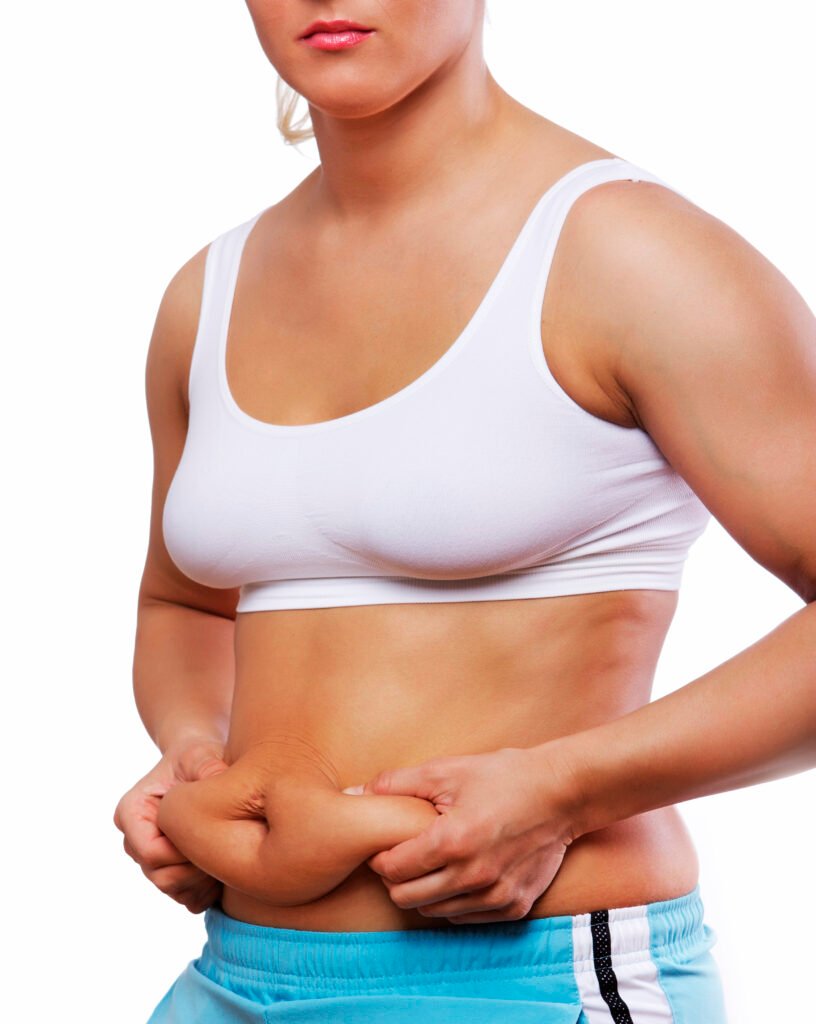
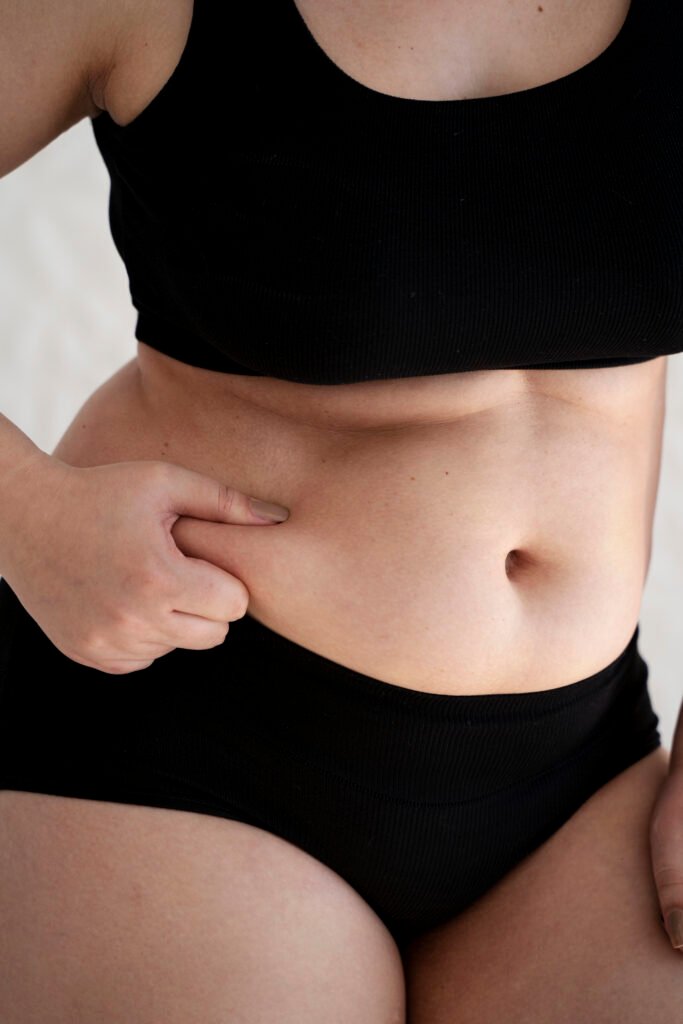
Loose hanging abdominal skin
Stretch marks
Separated abdominal muscles
Abdominal bulging
Excess fat deposits
Poor waistline definition
Skin laxity after pregnancy
Excess skin after bariatric surgery or weight loss
Ideal candidates should:
Be medically fit for surgery
Be near stable goal weight
Be non-smokers or willing to cease smoking
Have realistic expectations regarding surgery and recovery
Benefits of Abdominoplasty
Benefits of tummy tuck surgery may include:
Flatter abdomen
Firmer abdominal wall
Improved waistline definition
Removal of excess skin and fat
Improved abdominal contour
Reduction in lower abdominal stretch marks
Improved posture and core support
Better clothing fit
Improved body confidence
For post-weight loss patients, abdominoplasty may also improve:
Mobility
Exercise comfort
Skin irritation
Hygiene issues caused by excess skin folds
Consultation for Abdominoplasty in Sydney
A comprehensive consultation is essential before tummy tuck surgery.
During your consultation, your surgeon will discuss:
Your goals and concerns
Previous medical and surgical history
Pregnancy and weight history
Skin quality and abdominal anatomy
Muscle separation
Fat distribution
Surgical options
Risks and complications
Expected recovery
Scarring and scar placement
Clinical examination and surgical planning are performed carefully to determine the most appropriate procedure for your individual anatomy.
Pre-operative photographs may also be taken for surgical planning and documentation.
Preparing for Tummy Tuck Surgery
Patients are usually advised to:
Stop smoking well before surgery
Maintain stable weight
Avoid certain medications and supplements
Arrange time off work
Prepare compression garments
Organise post-operative support at home
Smoking significantly increases the risk of wound healing complications and skin loss following abdominoplasty surgery.
How is Abdominoplasty Performed?
Abdominoplasty is performed under general anaesthesia in an accredited hospital.
The procedure may involve:
Lower Abdominal Incision
A low transverse incision is placed within the bikini line whenever possible.
Elevation of the Abdominal Skin Flap
The abdominal skin and soft tissues are carefully elevated to expose the underlying abdominal wall.
Muscle Repair
Separated abdominal muscles are repaired and tightened using internal sutures to strengthen the abdominal wall and improve contour.
Umbilical Repositioning
The belly button is carefully preserved and repositioned through a new opening in the tightened abdominal skin.
Removal of Excess Skin
Excess loose abdominal skin is removed, and the remaining skin is redraped smoothly downward.
Liposuction
Liposuction may be performed simultaneously to improve waistline contour and body proportions.
Wound Closure
The incision is carefully closed in multiple layers to optimise healing and scar quality.
Recovery After Abdominoplasty
Recovery after tummy tuck surgery varies between patients, but most patients can expect:
First Week After Surgery
Swelling and bruising
Tightness in the abdomen
Surgical drains if required
Difficulty standing fully upright initially
Compression garment use
Early walking encouraged
Most patients require assistance at home during the first few days.
Weeks 2–6
Gradual improvement in mobility
Reduced swelling and discomfort
Return to light activities
Ongoing compression garment use
Avoidance of heavy lifting and strenuous exercise
Many patients return to office-based work within 2–3 weeks depending on recovery.
Long-Term Recovery
Final results continue to improve over several months as swelling settles and scars mature.
Scar maturation may continue for 12–18 months.
Abdominoplasty Scars
Tummy tuck surgery does involve permanent scars.
The lower abdominal scar is generally positioned low enough to be concealed beneath underwear or swimwear. Scar length varies depending on the amount of excess skin removal required.
Additional scars may occur around the umbilicus following repositioning.
Careful surgical planning and post-operative scar management are used to optimise scar appearance.
Risks and Complications of Abdominoplasty
All surgery carries risks and complications.
Potential risks may include:
Bleeding
Infection
Fluid collection (seroma)
Delayed wound healing
Skin loss
Poor scarring
Asymmetry
Fat necrosis
Umbilical healing problems
Blood clots
Deep vein thrombosis
Pulmonary embolism
Anaesthetic complications
Need for revision surgery
Risk reduction strategies and careful patient selection are essential parts of surgical planning.
Tummy Tuck After Pregnancy
Pregnancy commonly causes stretching of the abdominal muscles and skin.
Abdominoplasty after pregnancy may help improve:
Muscle separation
Loose abdominal skin
Stretch marks
Persistent abdominal fullness
Lower abdominal overhang
Patients are generally advised to complete childbearing before surgery to maintain long-term results.
Abdominoplasty After Weight Loss
Patients after massive weight loss frequently develop excess hanging abdominal skin that cannot retract naturally.
Tummy tuck surgery after weight loss may improve:
Body contour
Skin irritation
Clothing fit
Exercise comfort
Confidence and self-image
Post-bariatric body contouring may sometimes require staged procedures depending on the amount of excess skin.
Frequently Asked Questions About Abdominoplasty.
What is the difference between a tummy tuck and liposuction?
Liposuction removes fat only. Abdominoplasty removes excess skin and repairs abdominal muscles in addition to contouring.
Will abdominoplasty help me lose weight?
Abdominoplasty is not a weight loss procedure. It is designed for body contouring and abdominal reshaping.
How painful is tummy tuck surgery?
Patients commonly experience tightness and discomfort during the early recovery period, especially following muscle repair. Pain management plans are provided to assist recovery.
How long does swelling last after abdominoplasty?
Most swelling improves significantly within several weeks, but mild swelling can persist for several months.
Will my belly button look natural?
Modern umbilical repositioning techniques focus on creating a natural-looking belly button with careful attention to shape, depth, and scar concealment.
When can I exercise after tummy tuck surgery?
Light walking is encouraged early after surgery. Most patients return to more strenuous exercise after approximately 6 weeks depending on recovery.
Can abdominal muscles separate again?
Yes. Future pregnancy or major weight gain can stretch the abdominal wall again and affect results.
Will I have permanent scars?
Yes. Tummy tuck scars are permanent but usually fade significantly over time.
Why Choose Dr. Clement Tsang for Abdominoplasty in Sydney?
Dr. Clement Tsang is an Australian-trained surgeon with extensive experience in abdominal surgery, bariatric surgery, and body contouring procedures.
His practice focuses on:
Abdominoplasty
Lipoabdominoplasty
Post weight loss surgery
Arm lift surgery
Thigh lift surgery
Breast lift surgery
Advanced body contouring procedures
Dr. Tsang combines reconstructive principles with aesthetic surgical techniques to achieve natural-looking body contouring outcomes tailored to each patient.
Book an Abdominoplasty Consultation in Sydney
If you are considering tummy tuck surgery, post pregnancy abdominal contouring, or body contouring after weight loss, a personalised consultation can help determine the most appropriate surgical approach for your goals.
Our practice is committed to patient safety, honest communication, individualised care, and refined cosmetic surgery outcomes.
Our Services

Breast Lift or reduction

Breast Implant
Abdominoplasty
Liposuction

Thigh Lift
Arm Lift
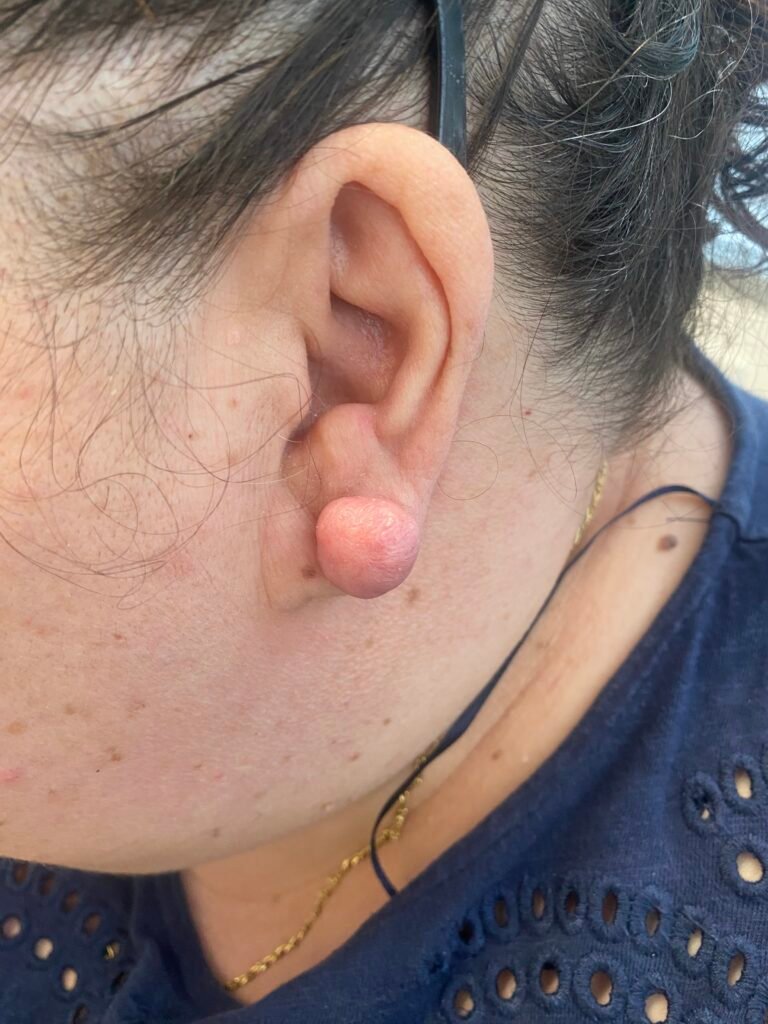
Skin lumps or keloid scars

Injectables
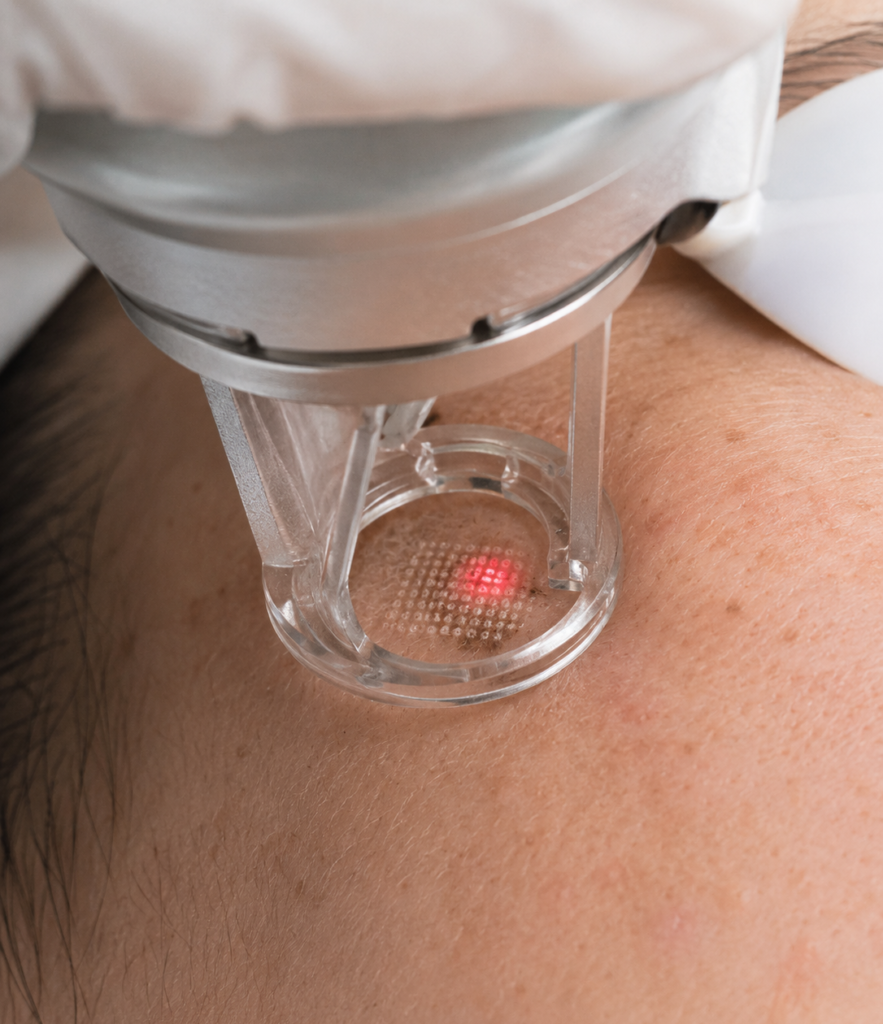
Fractional Co2 laser

Anti-aging

Facial fillers