
Breast Augmentation
Breast Augmentation Surgery (Breast Implants & Breast Enlargement)
Breast augmentation surgery, also known as breast enlargement surgery or breast implant surgery, is one of the world’s most popular cosmetic surgical procedures. Breast augmentation is designed to enhance breast size, improve breast shape, restore lost volume, improve symmetry, and create a fuller, more proportionate figure.
Using advanced breast implant techniques and modern implant technology, breast augmentation can provide natural-looking enhancement tailored to the individual patient’s body proportions, lifestyle, and aesthetic goals.
Breast augmentation surgery may help patients who wish to:
Increase breast size
Restore volume after pregnancy or weight loss
Improve breast symmetry
Enhance cleavage
Improve breast fullness
Correct naturally small breasts
Improve body proportions
Restore confidence in clothing and swimwear
Breast augmentation remains one of the most effective procedures for enhancing breast volume and improving overall body contour.
What Is Breast Augmentation Surgery?
Breast augmentation is a cosmetic surgical procedure that uses breast implants to increase breast size and improve breast shape.
The procedure involves placing implants:
Under the breast tissue
Partially under the chest muscle
Completely under the chest muscle (selected cases)
Modern breast augmentation techniques focus on:
Natural appearance
Balanced proportions
Long-term implant support
Minimal visible scarring
Enhanced breast contour
Breast Augmentation Before and After Pregnancy
Pregnancy, breastfeeding, aging, and weight fluctuations commonly lead to:
Loss of upper breast fullness
Deflation of breast tissue
Sagging skin
Reduced breast volume
Breast augmentation can help restore fullness and rejuvenate the breasts after pregnancy or weight loss.
Some patients may also benefit from combining breast implants with:
Breast lift surgery
Fat transfer
Body contouring procedures
Types of Breast Implants
Silicone Breast Implants
Silicone gel implants are the most commonly used implants in modern cosmetic surgery due to their:
Natural feel
Softer texture
Natural movement
Lower rippling visibility
Modern cohesive silicone gel implants are highly durable and designed to maintain shape over time.
Saline Breast Implants
Saline implants contain sterile saltwater solution and may be suitable for selected patients.
Advantages may include:
Smaller insertion incision
Adjustable filling volume
Detectable rupture
However, silicone implants are generally preferred for a more natural feel.
Breast Implant Shapes
Round Breast Implants
Round implants provide:
Increased upper pole fullness
Enhanced cleavage
Fuller appearance
Popular cosmetic enhancement results
Round implants remain one of the most popular choices for breast augmentation surgery.
Anatomical (Teardrop) Breast Implants
Teardrop implants are shaped to mimic the natural breast slope and may suit selected patients seeking:
Subtle enhancement
Natural contour
Less upper fullness
The ideal implant shape depends on anatomy and cosmetic goals.
Breast Implant Profiles
Breast implants are available in different profiles:
Low profile
Moderate profile
High profile
Extra high profile
Implant profile influences:
Projection
Cleavage
Breast width
Overall silhouette
Implant selection is tailored individually during consultation.
Choosing the Right Breast Implant Size
Choosing the appropriate implant size is one of the most important aspects of breast augmentation surgery.
Factors considered include:
Chest width
Existing breast tissue
Skin elasticity
Body proportions
Lifestyle
Desired appearance
The goal is to achieve a balanced, proportionate, and natural-looking result.
Breast Implant Placement Options
Subglandular Placement
Implants are positioned above the chest muscle and below the breast tissue.
Potential advantages:
Faster recovery
More prominent upper fullness
Suitable for selected patients with adequate tissue coverage
Submuscular Placement
Implants are positioned partially beneath the pectoral muscle.
Potential benefits:
More natural upper breast slope
Reduced implant visibility
Improved soft tissue coverage
Lower risk of visible rippling
Submuscular placement is commonly used in modern breast augmentation surgery.
Breast Augmentation Incision Options
Inframammary Incision
The incision is placed within the natural fold beneath the breast.
Advantages include:
Excellent implant access
Precise implant positioning
Hidden scar placement
This is one of the most commonly used approaches.
Periareolar Incision
The incision is placed around the areola border.
This may help camouflage scarring in selected patients.
Transaxillary Incision
The incision is placed within the armpit area.
This avoids scars directly on the breast but is less commonly used.
Who Is a Good Candidate for Breast Augmentation?
Suitable candidates may include patients who:
Desire larger breasts
Have naturally small breasts
Have breast asymmetry
Have lost breast volume after pregnancy or weight loss
Are physically healthy
Have realistic expectations
A detailed consultation is essential to assess suitability for surgery.
Breast Augmentation Consultation
During consultation, important topics include:
Breast size goals
Implant selection
Implant profile
Implant placement
Surgical planning
Risks and complications
Recovery expectations
Long-term implant care
Measurements and photographs may be taken to assist with surgical planning.
Breast Augmentation Procedure
Breast augmentation surgery is typically performed under general anaesthesia.
The procedure generally involves:
Creating the incision
Preparing the implant pocket
Inserting the implant
Positioning the implant carefully
Closing the incision
Surgery commonly takes between 1–2 hours depending on complexity.
Recovery After Breast Augmentation Surgery
Recovery varies between patients and surgical techniques.
Common temporary symptoms include:
Swelling
Tightness
Bruising
Mild discomfort
Temporary changes in sensation
Most patients:
Return home the same day
Resume light activities within days
Return to work within 1–2 weeks
Avoid strenuous exercise for several weeks
Support garments are commonly recommended during recovery.
Breast Augmentation Scars
All surgical procedures create scars; however, breast augmentation scars are usually strategically placed to minimise visibility.
Scars typically fade progressively over time.
Proper scar care and sun protection are important during healing.
Breast Augmentation Risks and Complications
As with any surgery, breast augmentation carries risks.
Potential risks include:
Infection
Bleeding
Capsular contracture
Implant rupture
Implant rippling
Implant displacement
Asymmetry
Changes in nipple sensation
Fluid accumulation
Need for revision surgery
A thorough consultation helps patients understand benefits and risks before proceeding.
What Is Capsular Contracture?
Capsular contracture occurs when scar tissue surrounding the implant tightens excessively.
This may cause:
Firmness
Distortion
Discomfort
Breast asymmetry
Modern surgical techniques aim to minimise this risk.
How Long Do Breast Implants Last?
Breast implants are durable medical devices but are not considered lifetime devices.
Many implants last:
10–20 years or longer
Some patients may eventually require:
Implant replacement
Implant revision
Breast lift surgery
Regular follow-up is recommended.
Breast Implant Revision Surgery
Some patients may seek revision surgery due to:
Implant aging
Capsular contracture
Implant rupture
Desire for size change
Cosmetic changes over time
Revision procedures may involve:
Implant exchange
Pocket correction
Breast lift
Scar revision
Breast Lift with Implants
Patients with breast sagging may benefit from combining:
Breast augmentation
Mastopexy (breast lift)
This combination can improve:
Breast position
Fullness
Projection
Shape
Breast Augmentation Results
Patients commonly notice:
Fuller breasts
Improved cleavage
Enhanced body contour
Improved clothing fit
Increased confidence
Results continue to settle as swelling resolves and implants soften into position.
Natural-Looking Breast Augmentation
Modern breast augmentation focuses on:
Proportionate enhancement
Soft natural contours
Balanced projection
Long-term support
Harmony with the patient’s body shape
Implant selection and surgical technique are customised individually to achieve natural-looking results.
Breast Augmentation Frequently Asked Questions
How painful is breast augmentation surgery?
Most patients experience temporary tightness and discomfort that improves during recovery.
Can I breastfeed after breast augmentation?
Many women can breastfeed after surgery, although outcomes vary individually.
Will breast implants look natural?
Modern implants and surgical techniques can create highly natural-looking results.
When will I see final results?
Initial swelling improves over weeks, while final implant settling may take several months.
Do breast implants need replacement?
Not all implants require routine replacement, but future revision surgery may eventually be required.
Why Choose Breast Augmentation Surgery?
Breast augmentation remains one of the most transformative cosmetic procedures available because it can:
Restore breast volume
Enhance breast shape
Improve body balance
Increase upper fullness
Improve symmetry
Enhance confidence
Using advanced implant technology and personalised surgical planning, breast augmentation surgery can provide long-lasting and natural-looking enhancement tailored to each individual patient.
Our Services

Breast Lift or reduction

Breast Implant

Abdominoplasty

Liposuction

Thigh Lift
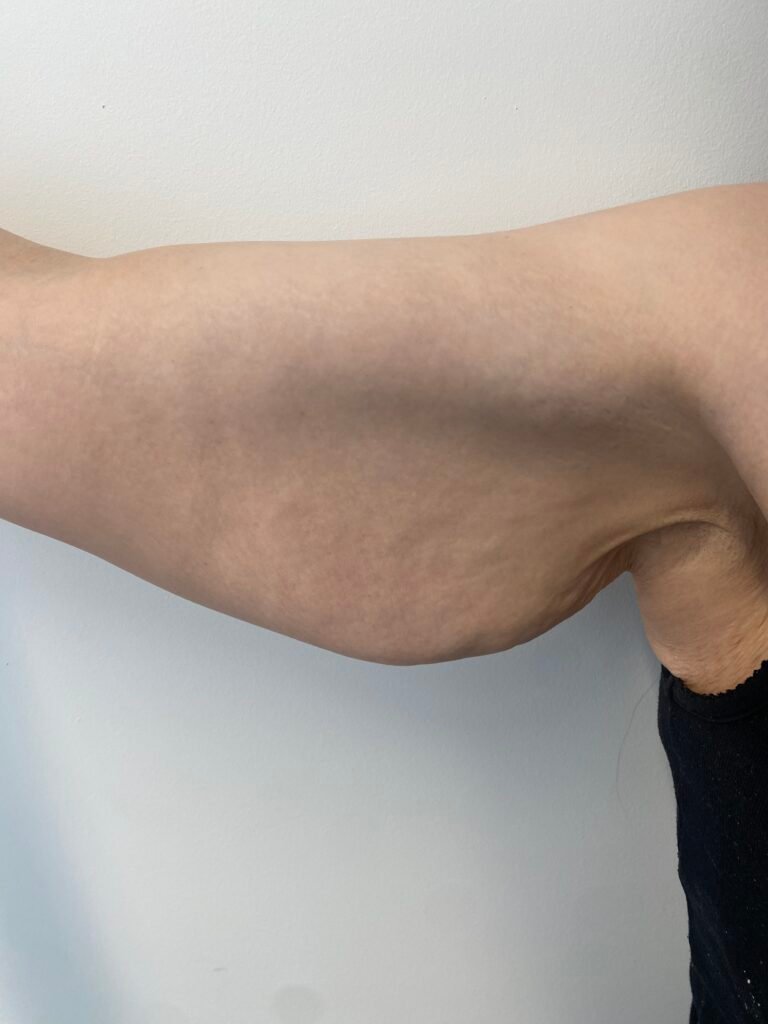
Arm Lift
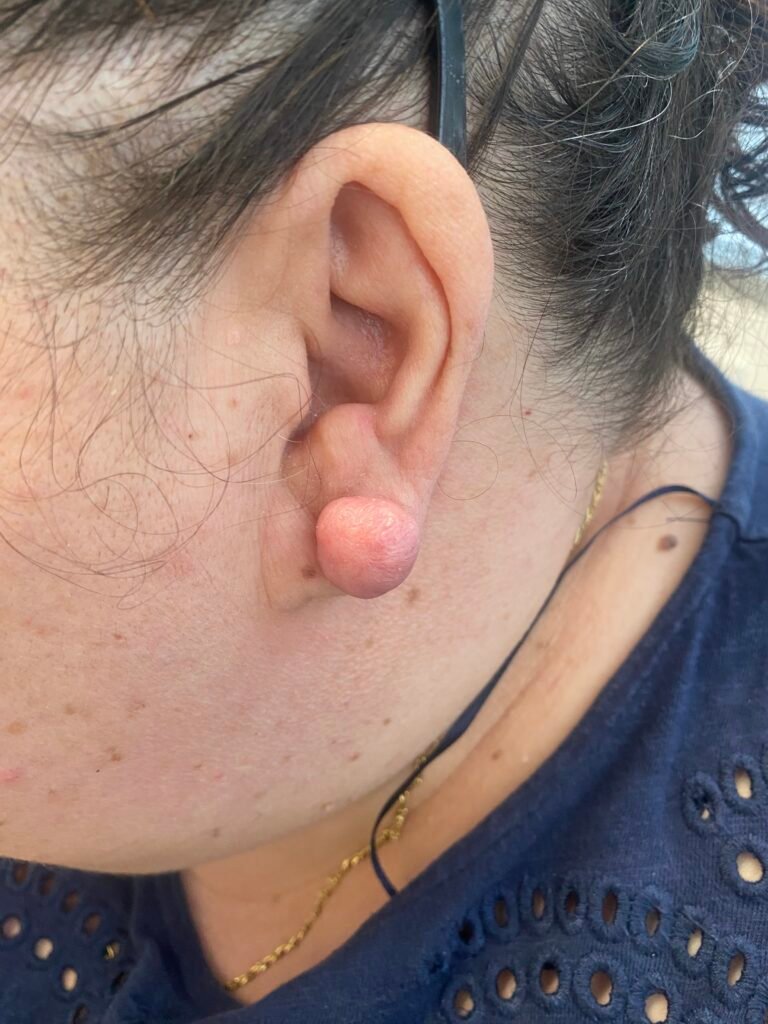
Skin lumps or keloid scars
Injectables
Fractional Co2 laser
Anti-aging

Facial fillers