
Breast Reduction Surgery
Breast Reduction Surgery (Reduction Mammoplasty)
Breast reduction surgery, also known as reduction mammoplasty, is a cosmetic and functional surgical procedure designed to reduce breast size, relieve physical discomfort, improve breast shape, and create a more balanced body proportion.
Large heavy breasts can contribute to:
Neck pain
Back pain
Shoulder discomfort
Poor posture
Bra strap grooving
Skin irritation
Exercise limitations
Difficulty finding clothing
Reduced confidence
Breast reduction surgery removes excess:
Breast tissue
Fat
Skin
while reshaping and lifting the breasts to create a lighter, firmer, more proportionate appearance.
For many patients, breast reduction surgery can significantly improve both physical comfort and quality of life.
What Is Breast Reduction Surgery?
Breast reduction surgery is a procedure that decreases breast size while improving breast shape and position.
The operation typically involves:
Removing excess breast tissue
Removing stretched skin
Reshaping the breasts
Repositioning the nipples
Lifting the breasts
Modern breast reduction techniques aim to:
Improve comfort
Create natural breast shape
Reduce heaviness
Improve body proportions
Restore breast symmetry
Achieve long-term support
Symptoms Caused by Large Heavy Breasts
Many patients seek breast reduction surgery because oversized breasts can cause ongoing physical symptoms.
Common symptoms include:
Chronic neck pain
Upper back pain
Shoulder pain
Bra strap indentations
Skin rashes beneath the breasts
Difficulty exercising
Restricted physical activity
Poor posture
Difficulty sleeping comfortably
Numbness from bra pressure
Patients may also experience emotional and self-confidence concerns related to breast size.
Benefits of Breast Reduction Surgery
Breast reduction surgery can provide both cosmetic and functional improvement.
Benefits may include:
Smaller lighter breasts
Relief from neck and back pain
Improved posture
Better breast symmetry
Improved breast shape
Improved nipple position
Easier exercise and physical activity
Better clothing fit
Reduced skin irritation
Improved confidence and comfort
Many patients report significant lifestyle improvement following surgery.
Breast Reduction Before and After Weight Loss
Weight fluctuations can affect breast size and shape.
After major weight loss, patients may experience:
Sagging breasts
Deflated breast tissue
Excess skin
Loss of breast support
Breast reduction surgery may help reshape and lift the breasts while reducing remaining excess tissue.
Breast Reduction for Large Sagging Breasts
Large breasts commonly become stretched and sag over time due to:
Gravity
Aging
Pregnancy
Breastfeeding
Genetics
Skin laxity
Breast reduction surgery also includes a breast lift component to:
Elevate the breasts
Reposition the nipples
Improve breast contour
Create a firmer appearance
Who Is a Good Candidate for Breast Reduction Surgery?
Suitable candidates may include patients who:
Have overly large breasts
Experience physical discomfort
Have breast asymmetry
Feel limited during exercise
Have skin irritation beneath the breasts
Are physically healthy
Have realistic expectations
Patients should ideally maintain stable weight before surgery.
Breast Reduction Consultation
A detailed consultation is essential before surgery.
Topics commonly discussed include:
Desired breast size
Breast proportions
Surgical techniques
Scarring
Recovery expectations
Risks and complications
Long-term results
Measurements and photographs may be taken for surgical planning.
Breast Reduction Techniques
Vertical Breast Reduction
This technique uses:
Incision around the areola
Vertical incision downward
It may be suitable for:
Moderate breast reduction
Moderate sagging
Improved contouring
Anchor Breast Reduction
Also known as the inverted-T technique, this approach is commonly used for:
Large breast reductions
Significant excess skin
Severe breast sagging
The anchor pattern allows substantial reshaping and tissue removal.
Breast Reduction Procedure
Breast reduction surgery is typically performed under general anaesthesia.
The procedure generally involves:
Creating surgical incisions
Removing excess tissue and skin
Reshaping breast tissue
Repositioning the nipple-areola complex
Reducing areola size if required
Closing the incisions carefully
Surgery commonly takes:
2–5 hours depending on complexity
Most patients return home the same day or after overnight observation.
Breast Reduction Scars
All breast reduction procedures create scars; however, incisions are strategically placed to minimise visibility.
Scars commonly occur:
Around the areola
Vertically below the nipple
Along the breast fold
Scars usually improve progressively over time.
Proper scar management and sun protection are important during healing.
Breast Reduction Recovery
Recovery varies between patients and surgical techniques.
Common temporary symptoms include:
Swelling
Bruising
Tightness
Mild discomfort
Temporary numbness
Fatigue
Most patients:
Walk within hours after surgery
Resume light activities within days
Return to work within 1–2 weeks
Avoid strenuous activity for several weeks
Support bras are commonly worn during recovery.
Breast Reduction Recovery Timeline
First Week
Swelling and tightness are common
Dressings and support garments are used
Walking encouraged
Weeks 2–4
Bruising improves
Energy gradually returns
Incisions continue healing
Weeks 6–12
Swelling reduces further
Breast shape refines progressively
Scars begin maturing
Long-Term Recovery
Final breast shape and scar maturation continue improving over several months.
Can Breast Reduction Help Back Pain?
Many patients seek breast reduction surgery specifically to relieve:
Back pain
Neck pain
Shoulder pain
Postural strain
Reducing breast weight may significantly improve physical comfort and mobility.
Breast Reduction and Exercise
Large breasts can interfere with:
Running
Gym exercise
Sports participation
Daily physical activity
Following breast reduction surgery, many patients report:
Increased exercise comfort
Improved mobility
Greater participation in physical activities
Breast Reduction and Nipple Position
During surgery, the nipple-areola complex is repositioned to a higher, more youthful location.
Enlarged areolas may also be reduced in size to improve overall breast proportion.
Breast Reduction for Breast Asymmetry
Breast reduction surgery may help improve:
Uneven breast size
Shape differences
Nipple asymmetry
Surgical planning is customised individually to improve breast balance and symmetry.
Breast Reduction Risks and Complications
As with all surgery, breast reduction carries risks.
Potential complications include:
Infection
Bleeding
Delayed wound healing
Scarring
Asymmetry
Changes in nipple sensation
Partial nipple healing problems
Fluid accumulation
Fat necrosis
Need for revision surgery
A detailed consultation helps patients understand benefits and risks before surgery.
Can I Breastfeed After Breast Reduction Surgery?
Some women can breastfeed following surgery; however:
Breastfeeding ability may be reduced
Outcomes vary individually
Surgical technique may influence future breastfeeding potential
This should be discussed during consultation.
Breast Reduction Results
Patients commonly notice:
Smaller lighter breasts
Improved comfort
Better posture
Improved breast shape
Lifted breast position
Better clothing fit
Improved confidence
As swelling resolves, the breasts gradually soften and settle into a more natural contour.
Will Breast Reduction Results Last?
Breast reduction surgery provides long-lasting improvement; however:
Aging continues
Gravity affects tissues over time
Pregnancy and weight fluctuations may alter results
Maintaining stable weight may help preserve long-term results.
Natural-Looking Breast Reduction Results
Modern breast reduction techniques focus on:
Balanced proportions
Natural contour
Long-term support
Symmetry
Functional comfort
Minimal visible scarring
Surgical planning is tailored individually according to anatomy and patient goals.
Breast Reduction Frequently Asked Questions
How painful is breast reduction surgery?
Most patients experience temporary tightness and discomfort that improves during recovery.
How much breast tissue can be removed?
The amount removed depends on anatomy, symptoms, and desired size goals.
Will breast reduction lift the breasts?
Yes. Breast reduction surgery also includes a breast lifting component.
How long is recovery after breast reduction surgery?
Most patients resume light activities within days and normal activities over several weeks.
Will I have scars after breast reduction?
Yes, but scars are strategically positioned and usually improve significantly over time.
Why Choose Breast Reduction Surgery?
Breast reduction surgery remains one of the most rewarding cosmetic procedures because it can:
Relieve physical discomfort
Reduce breast heaviness
Improve posture
Enhance breast shape
Improve body balance
Increase mobility
Improve confidence and quality of life
Using advanced surgical techniques and personalised planning, breast reduction surgery can provide long-lasting functional and cosmetic improvement tailored to each patient’s needs.
Our Services

Breast Lift or reduction

Breast Implant

Abdominoplasty

Liposuction

Thigh Lift
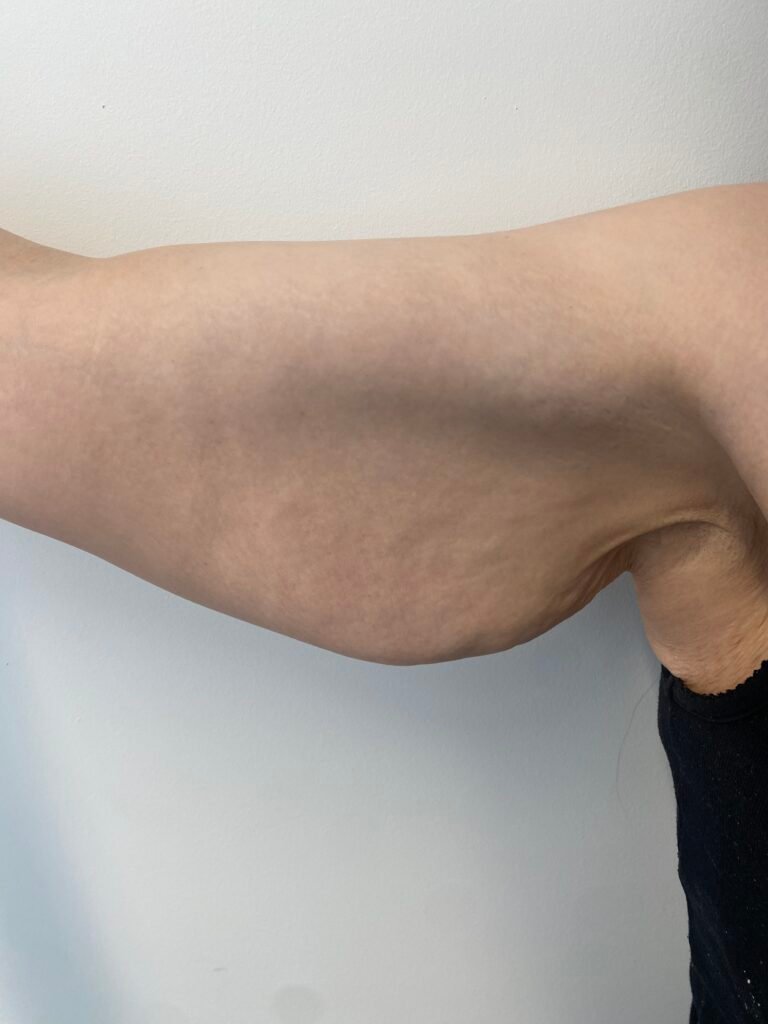
Arm Lift
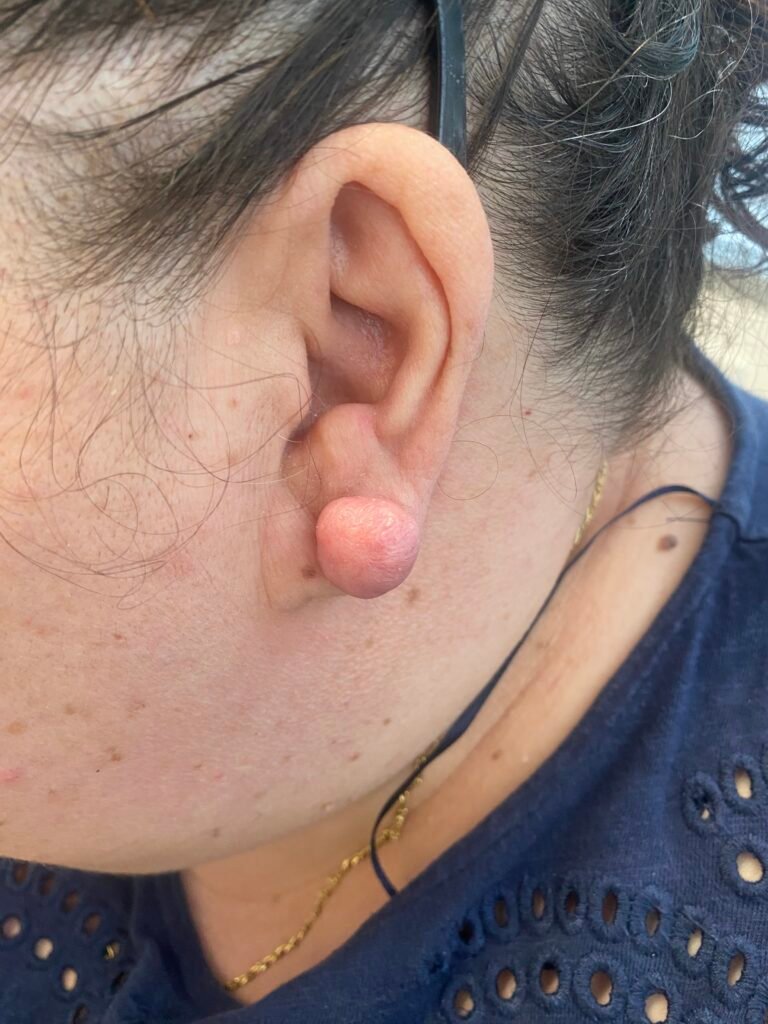
Skin lumps or keloid scars

Injectables
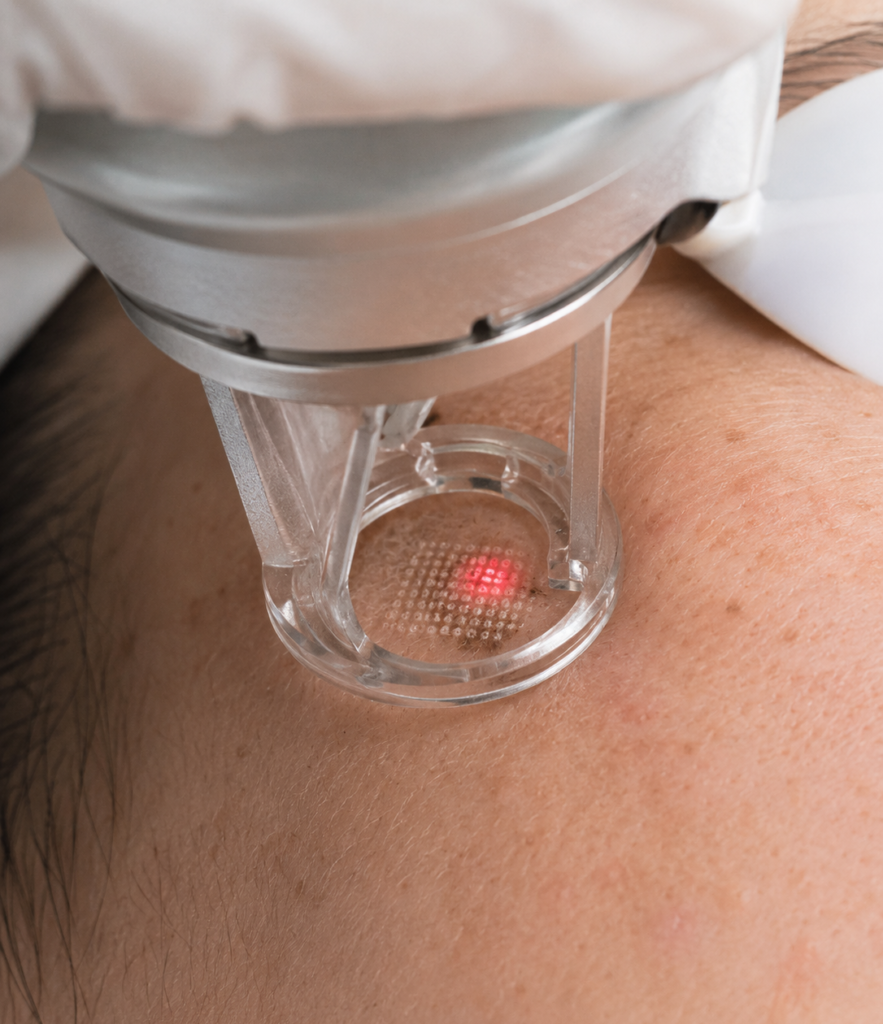
Fractional Co2 laser

Anti-aging

Facial fillers