Sebaceous Cyst Removal Surgery
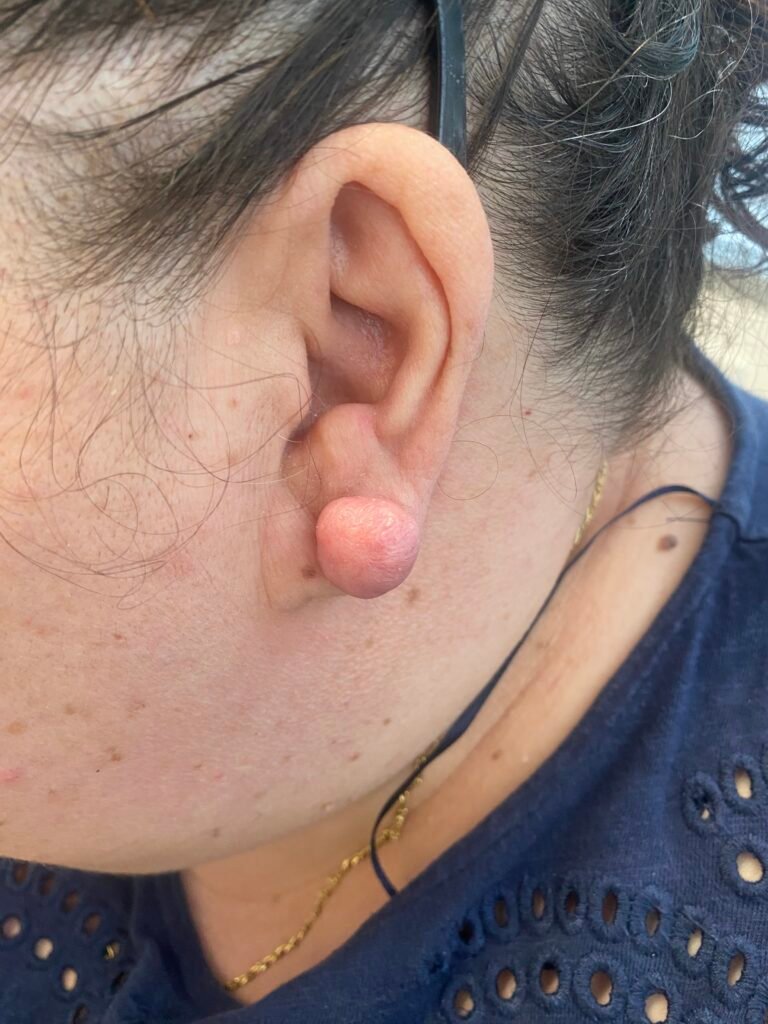
Sebaceous cyst removal is a minor surgical procedure performed to remove unwanted skin cysts, lumps, or benign subcutaneous lesions. Sebaceous cysts are common non-cancerous skin growths that can develop anywhere on the body and may gradually enlarge over time. All cyst should be remove when you noticed it. Leaving it over time gives it a chance to get bigger and infected. This will result in bigger incision required to remove the cyst.
Although many cysts are harmless, patients commonly seek sebaceous cyst removal because of:
Cosmetic concerns
Infection
Pain or tenderness
Recurrent swelling
Discomfort
Drainage or odour
Irritation from clothing
Enlargement over time
Sebaceous cyst excision is one of the most effective treatments because it removes both:
The cyst contents
The cyst wall or capsule
Complete surgical removal helps minimise recurrence and improve skin appearance.
What Is a Sebaceous Cyst?
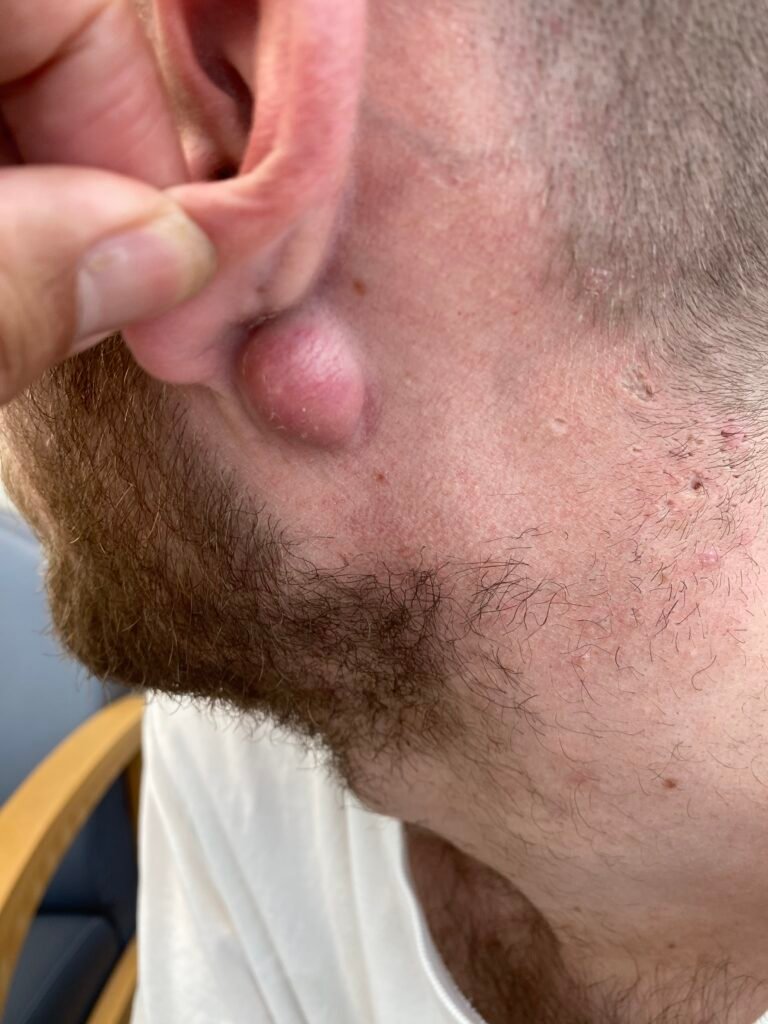
A sebaceous cyst is a slow-growing benign lump that develops beneath the skin.
These cysts commonly contain:
Many lesions referred to as “sebaceous cysts” are actually:
They are usually harmless but may become:
Inflamed
Infected
Tender
Enlarged
What Causes Sebaceous Cysts?
Sebaceous cysts may develop due to:
Blocked hair follicles
Skin trauma
Damaged sebaceous glands
Genetic factors
Acne-prone skin
Skin inflammation
Some cysts develop without an obvious cause.
Common Areas for Sebaceous Cysts
Sebaceous cysts can occur almost anywhere on the body.
Common treatment areas include:
Scalp
Face
Neck
Back
Chest
Shoulders
Groin
Arms
Legs
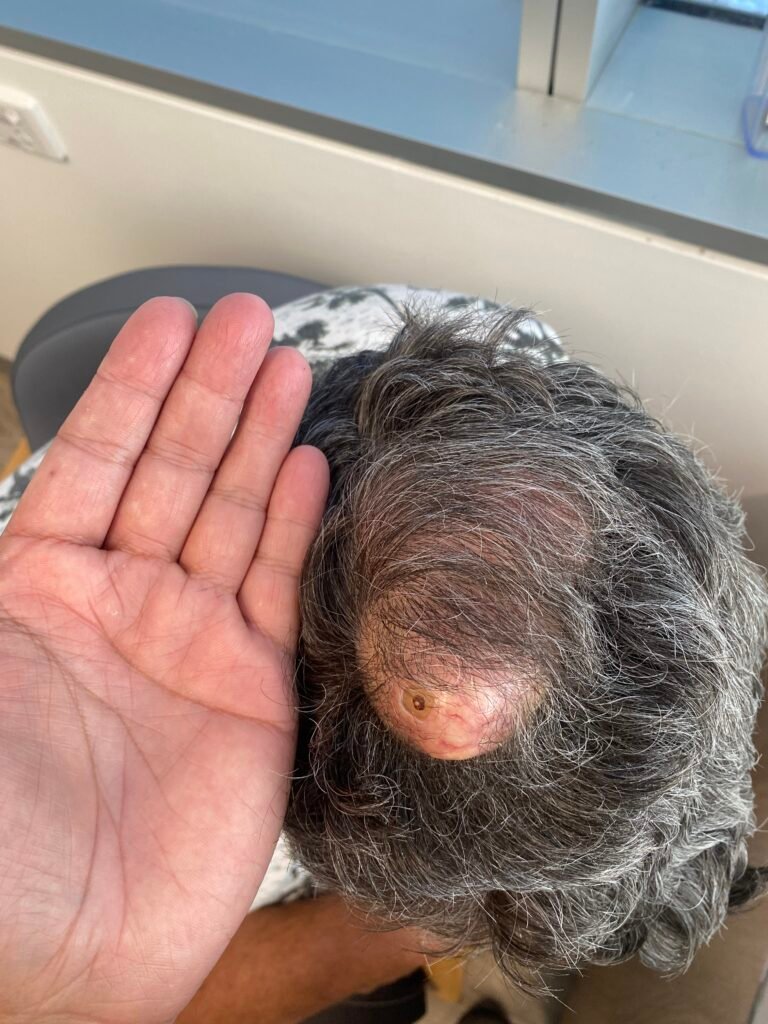
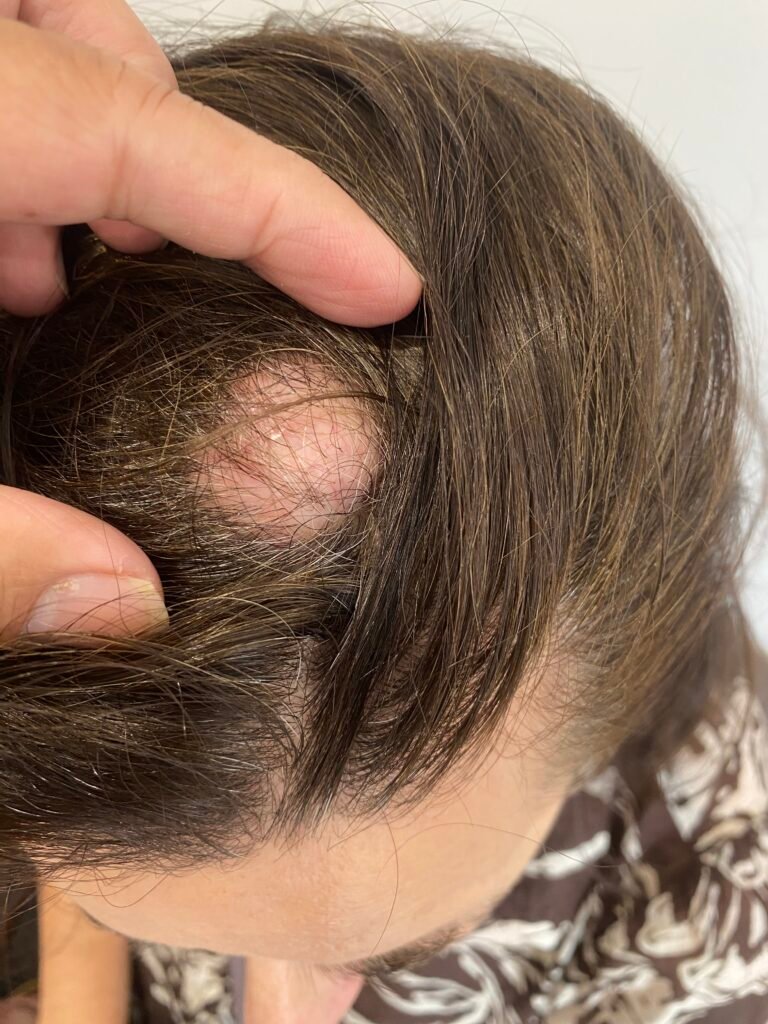
Scalp cyst removal is particularly common due to pilar cyst formation.
Symptoms of Sebaceous Cysts
Sebaceous cysts may appear as:
Some cysts may also:
Become painful
Turn red
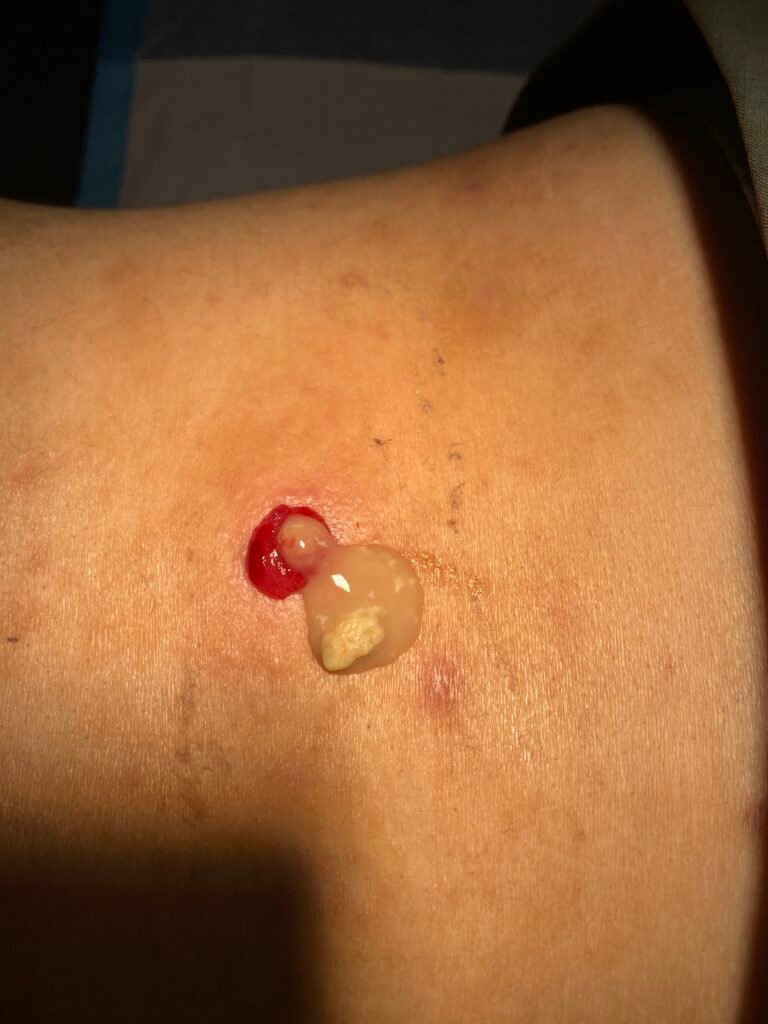
Leak material
Develop unpleasant odour
Become infected
Rupture spontaneously
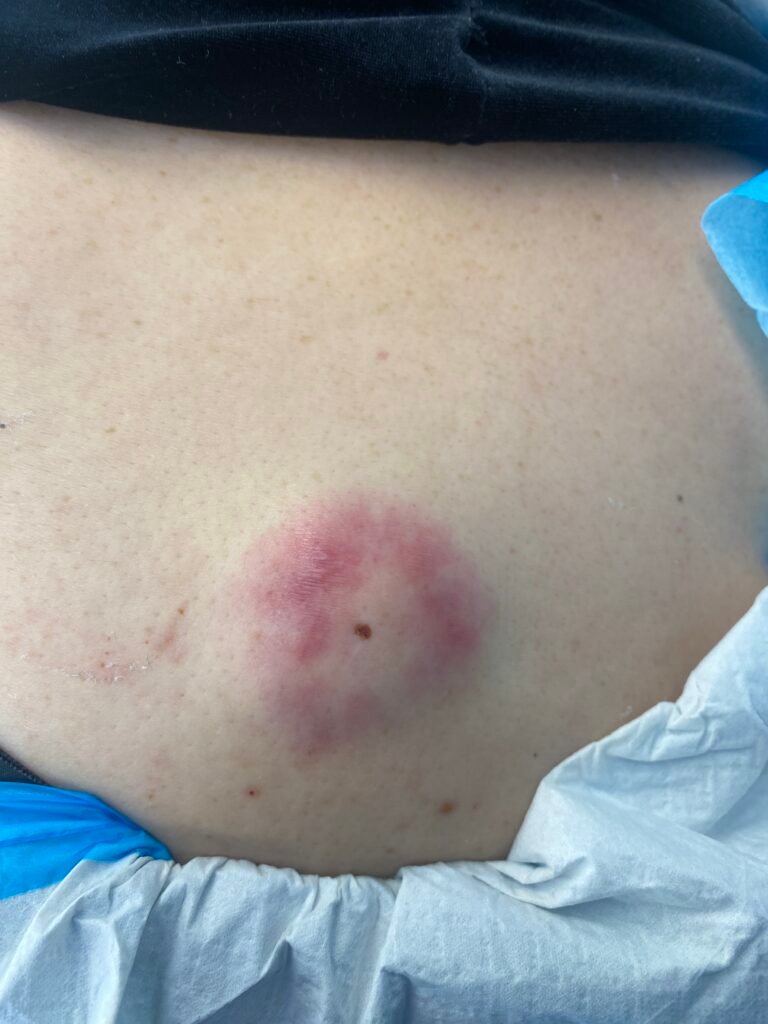
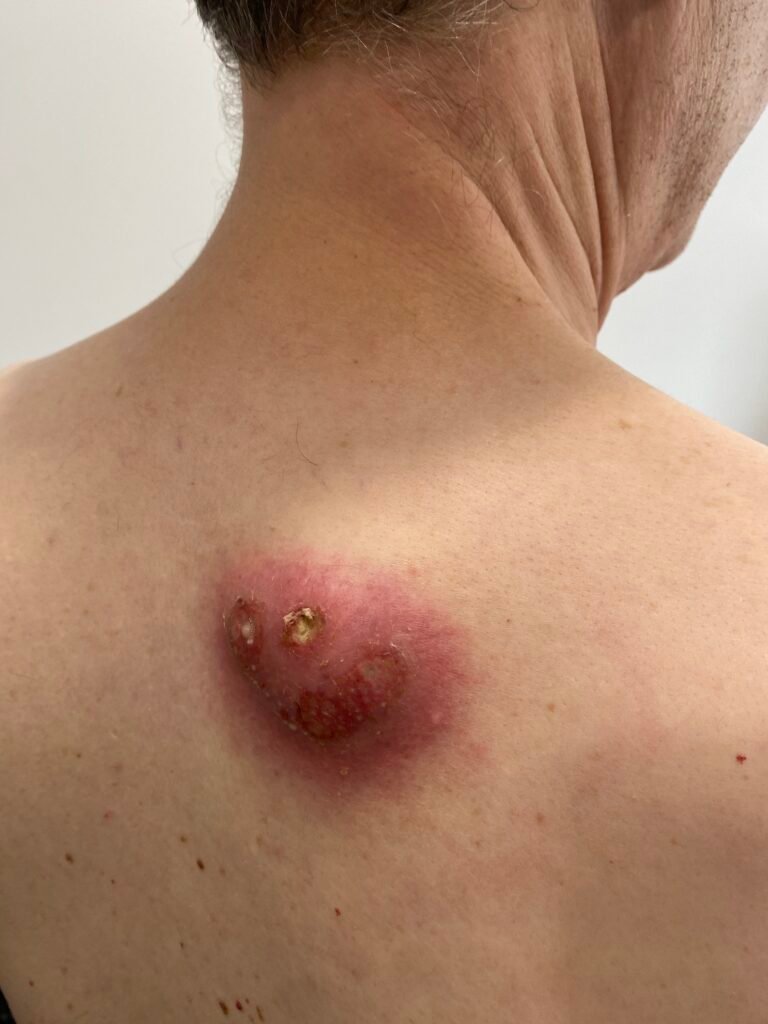
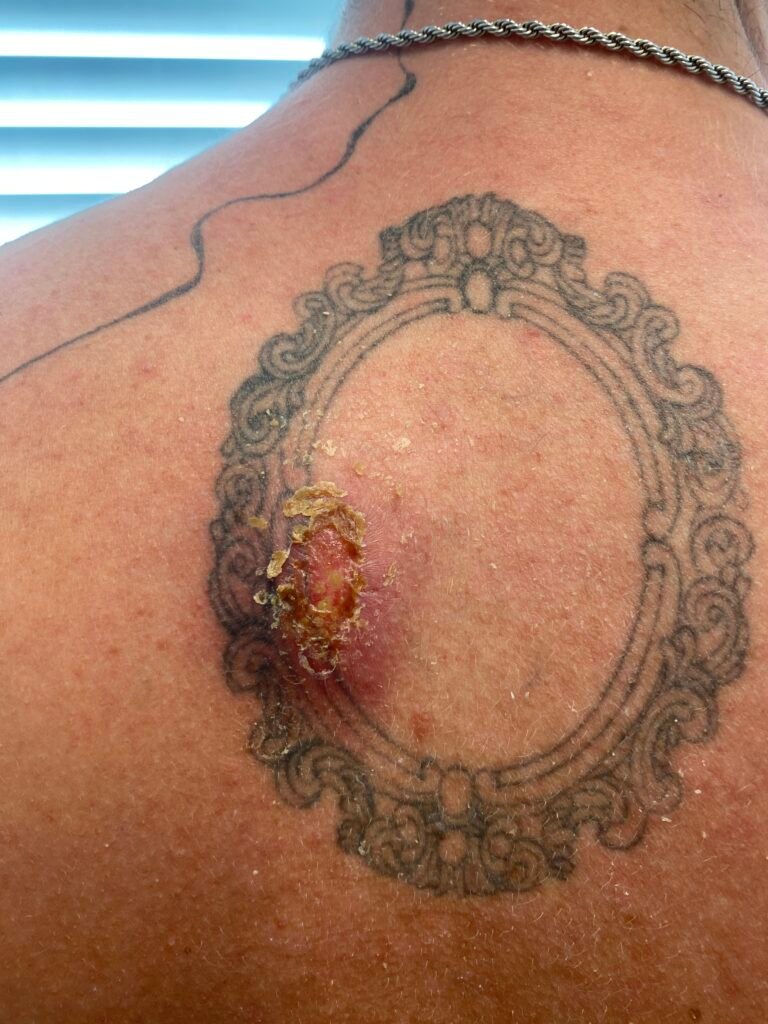
Infected Sebaceous Cysts
An infected sebaceous cyst may cause:
Redness
Swelling
Pain
Warmth
Pus drainage
Rapid enlargement
Infected cysts may require:
Attempting removal during active infection may increase recurrence risk.
Sebaceous Cyst Removal Procedure
Sebaceous cyst removal is usually performed under local anaesthetic as an outpatient procedure.
The treatment generally involves:
Numbing the area
Creating a small incision
Carefully removing the cyst contents
Removing the cyst capsule
Closing the skin with sutures
Complete capsule removal is important to reduce recurrence.
Most procedures are completed within:
Types of Sebaceous Cyst Removal
Complete Surgical Excision
This is considered the gold standard treatment.
Benefits include:
Minimal Excision Technique
A smaller incision technique may be used for selected cysts.
Advantages may include:
Smaller scar
Faster healing
Reduced downtime
However, complete capsule removal remains important.
Inflamed or Ruptured Cyst Treatment
If a cyst is severely inflamed or infected:
This may reduce complications and improve healing.
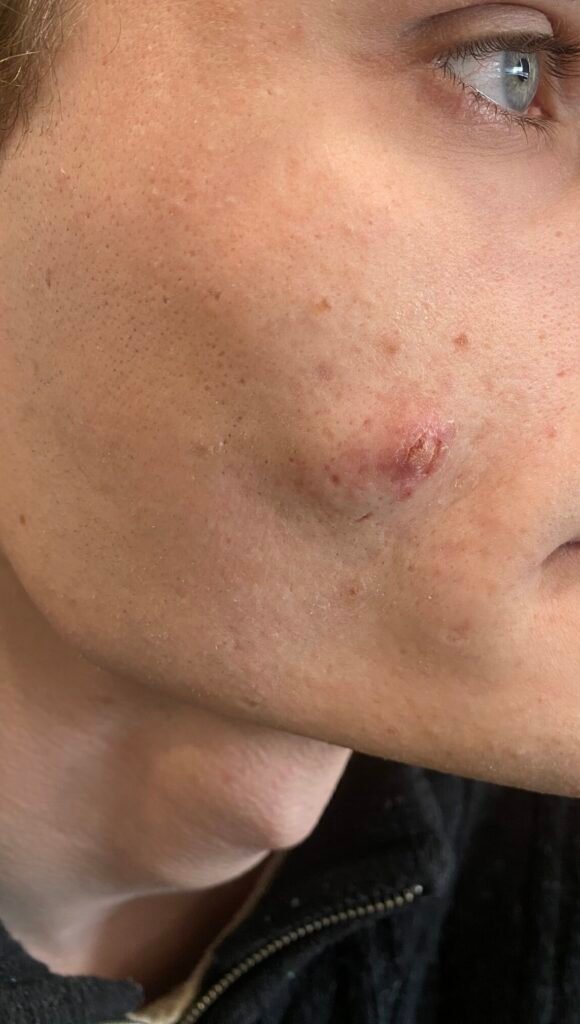
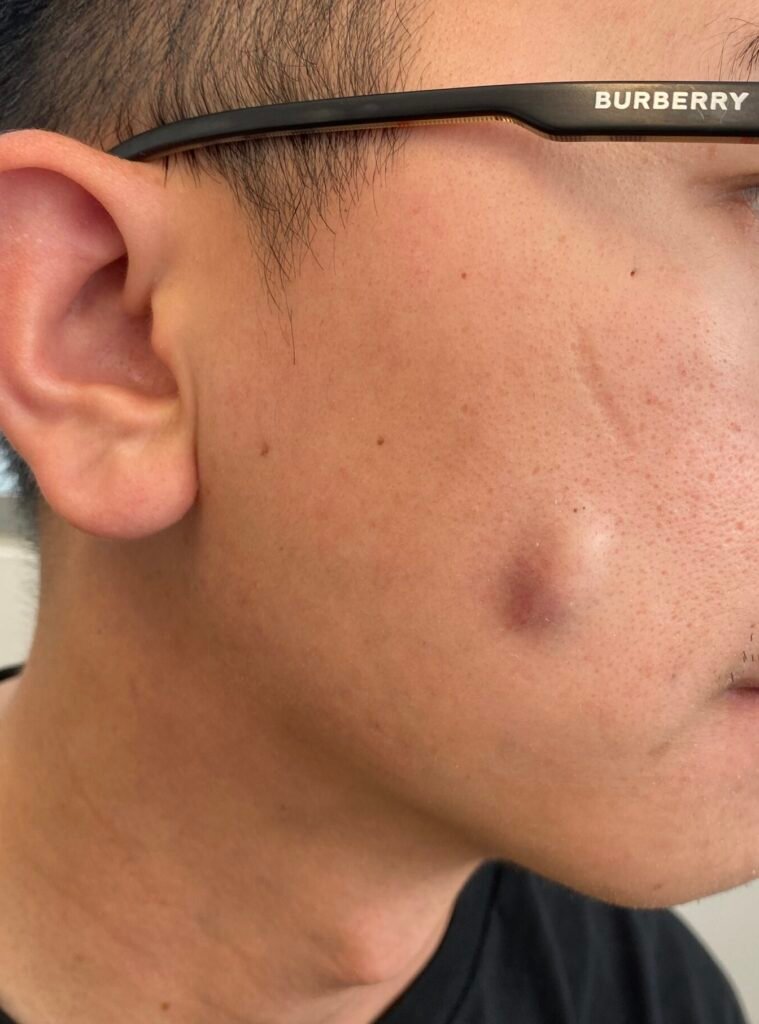
Sebaceous Cyst Removal on the Face
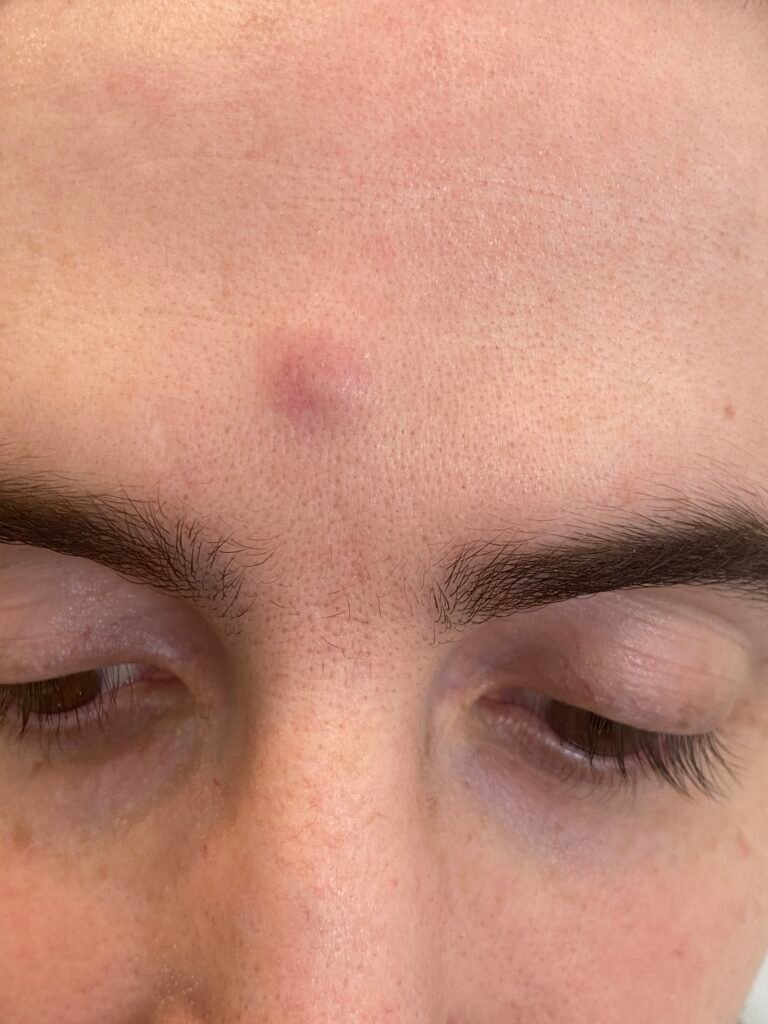
Facial cysts are common cosmetic concerns.
Special care is taken to:
Facial cyst removal commonly involves meticulous closure techniques to improve scar appearance.
Scalp Cyst Removal
Scalp cysts are often:
Scalp cyst excision is commonly performed under local anaesthetic with minimal downtime.
Hair preservation techniques may help reduce visible scarring.
Sebaceous Cyst Removal for Cosmetic Reasons
Many patients seek cyst removal because:
The lump is visible
Makeup application is difficult
The cyst affects confidence
Clothing rubs against the lesion
The cyst continues enlarging
Removal can improve both comfort and cosmetic appearance.
Recovery After Sebaceous Cyst Removal
Recovery is generally straightforward.
Patients may experience:
Mild swelling
Bruising
Tenderness
Temporary redness
Most patients:
Return to normal activities quickly
Experience minimal downtime
Have sutures removed within 1–2 weeks if required
Healing time depends on:
Sebaceous Cyst Removal Scars
Any skin surgery can leave a scar; however, efforts are made to minimise scar visibility.
Scar appearance depends on:
Cyst size
Location
Skin type
Surgical technique
Healing response
Proper wound care and sun protection may improve scar healing.
Will the Cyst Come Back?
Recurrence is less likely when:
The entire cyst wall is removed
Surgery is performed carefully
The cyst is fully excised
If part of the capsule remains, recurrence may occur.
Is Sebaceous Cyst Removal Painful?
The procedure is typically performed under local anaesthetic.
Patients commonly feel:
Temporary soreness after the procedure usually improves quickly.
Histology and Skin Lesion Testing
In selected cases, removed tissue may be sent for:
Histopathology examination
Confirmation of diagnosis
Exclusion of other skin conditions
Although most sebaceous cysts are benign, assessment may occasionally be recommended.
Sebaceous Cyst Removal Risks and Complications
As with any skin procedure, risks may include:
Infection
Bleeding
Bruising
Recurrence
Scarring
Delayed wound healing
Temporary numbness
Wound separation
Careful surgical technique helps minimise complications.
Sebaceous Cyst vs Lipoma
Patients commonly confuse sebaceous cysts with lipomas.
Sebaceous Cysts
Lipomas
Clinical assessment helps determine the correct diagnosis.
Sebaceous Cyst Removal Frequently Asked Questions
Can a sebaceous cyst go away on its own?
Some cysts remain stable, but many persist or enlarge over time.
Should I squeeze a sebaceous cyst?
Attempting to squeeze a cyst may:
Increase inflammation
Cause infection
Lead to recurrence
Damage surrounding skin
Professional assessment is recommended.
How long does sebaceous cyst removal take?
Most procedures take approximately 20–60 minutes depending on complexity.
Can sebaceous cysts become cancerous?
Most sebaceous cysts are benign and non-cancerous.
Is sebaceous cyst removal permanent?
Complete surgical excision usually provides permanent removal with low recurrence risk.
Why Choose Professional Sebaceous Cyst Removal?
Professional cyst removal offers several advantages:
Using meticulous surgical techniques and careful wound closure, sebaceous cyst removal can safely and effectively improve both comfort and skin appearance.