
Lipoma Removal Surgery
All lipomas should be remove as soon as it is diagnosed. Lipomas will generally grow larger slowly. The large the lipomas the long the incision. Stardard out of pocket cost is $275 to $350 out of pocket with medicare if done in the clinic. Larger lipomas and in the facial region will cost more. If the lipoma is too large and need to be done in hospital a quote will be given.
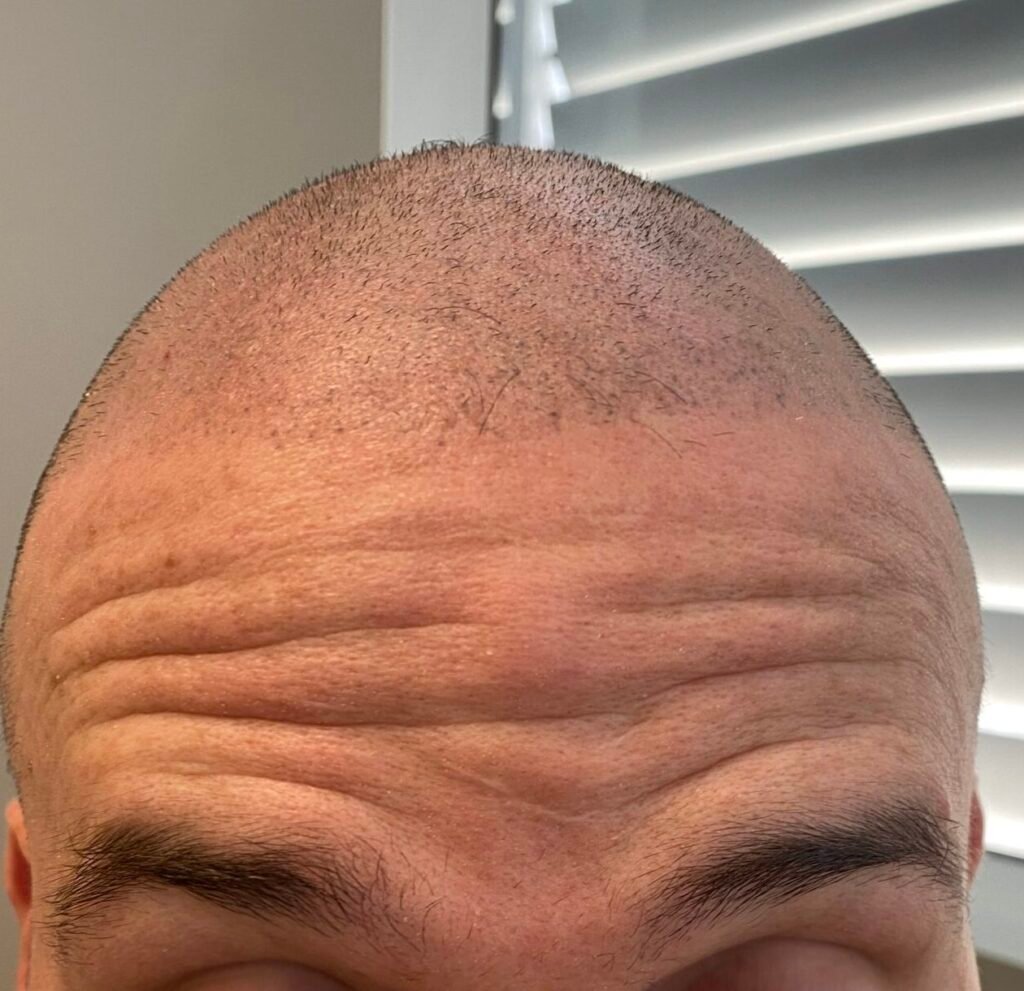
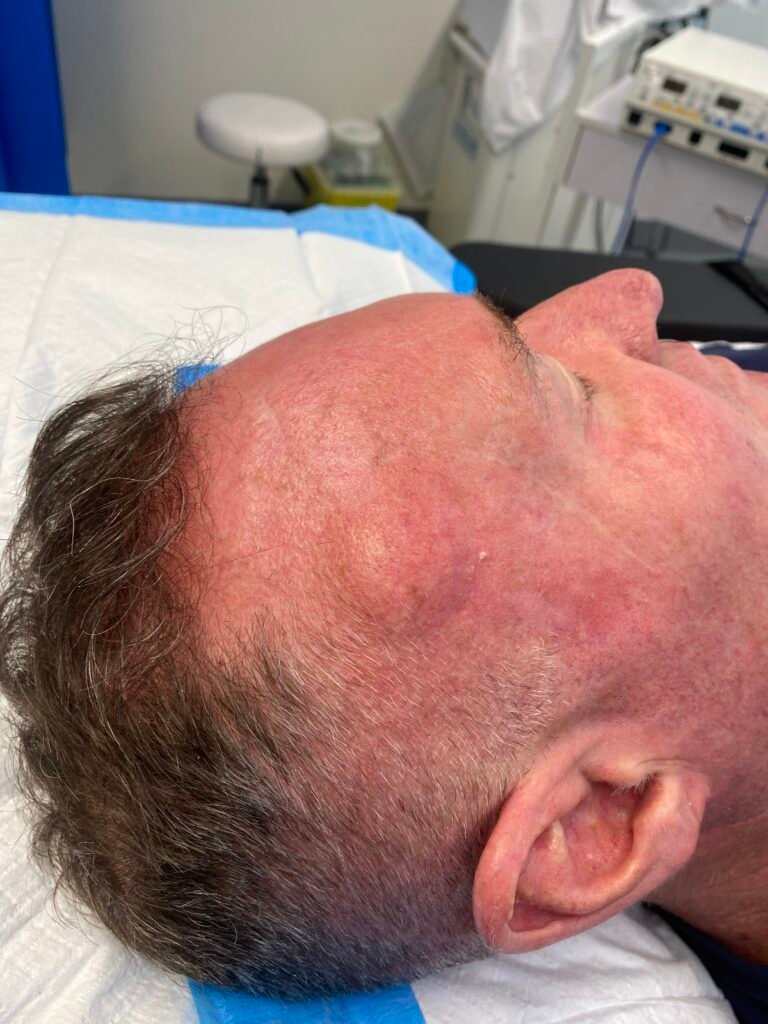
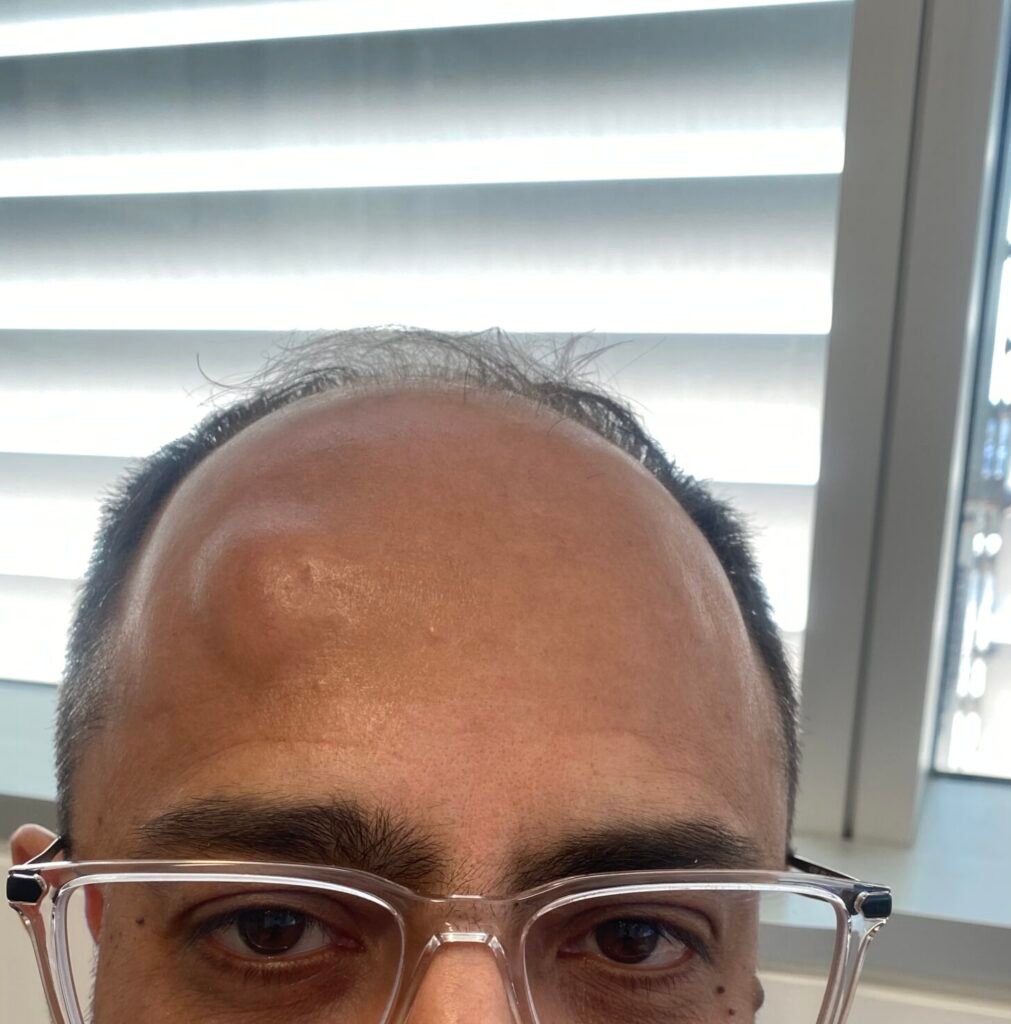
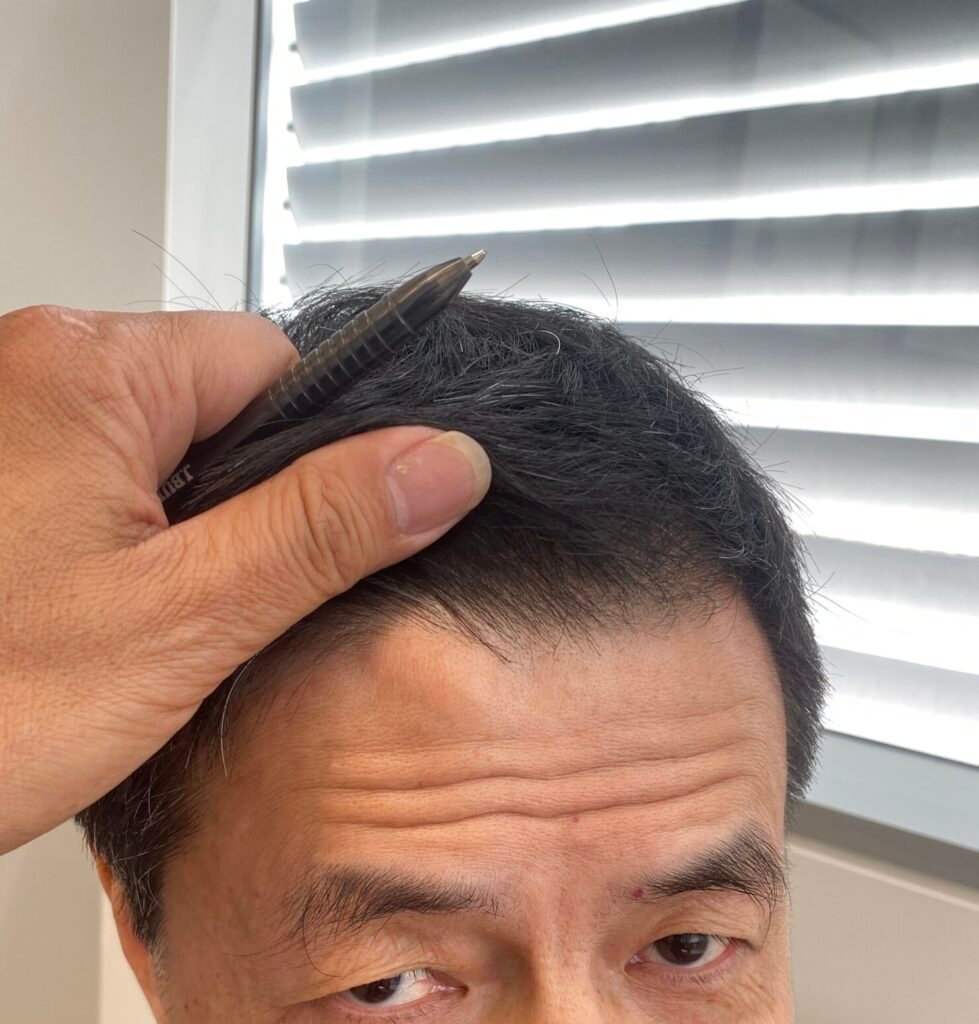
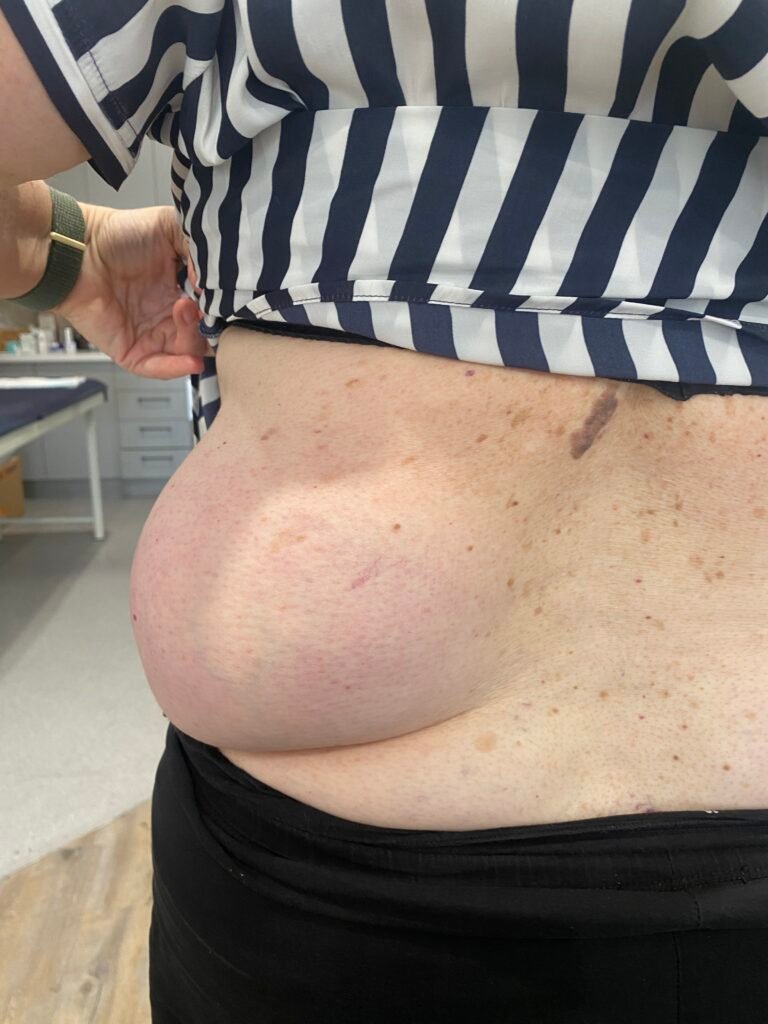
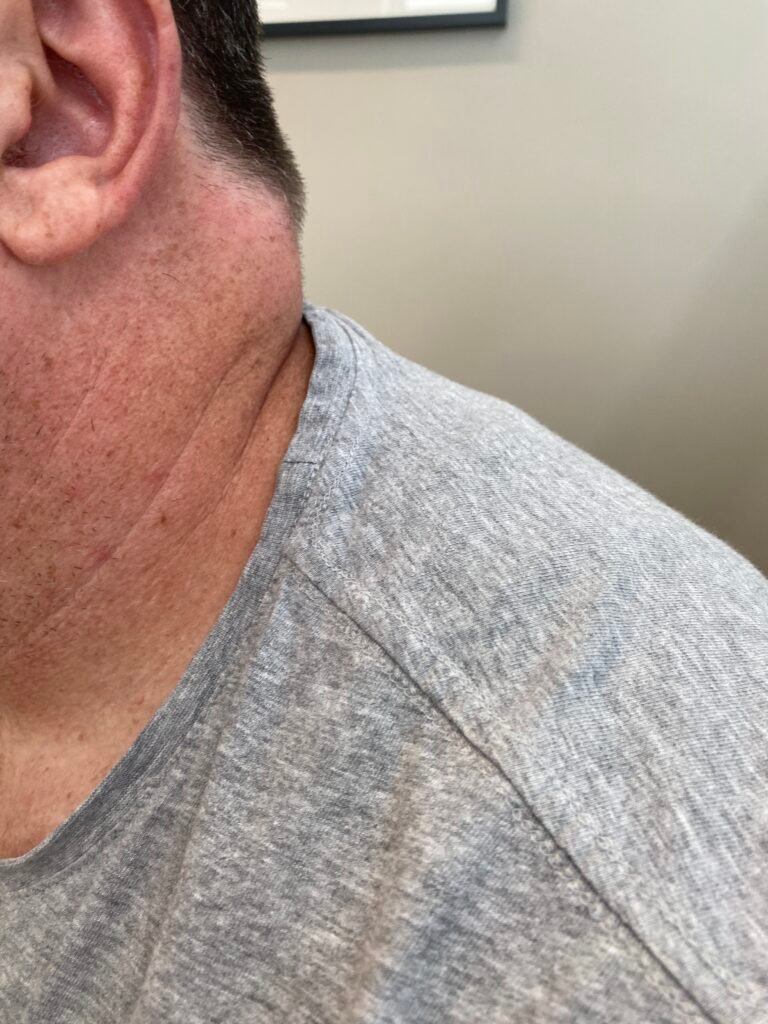
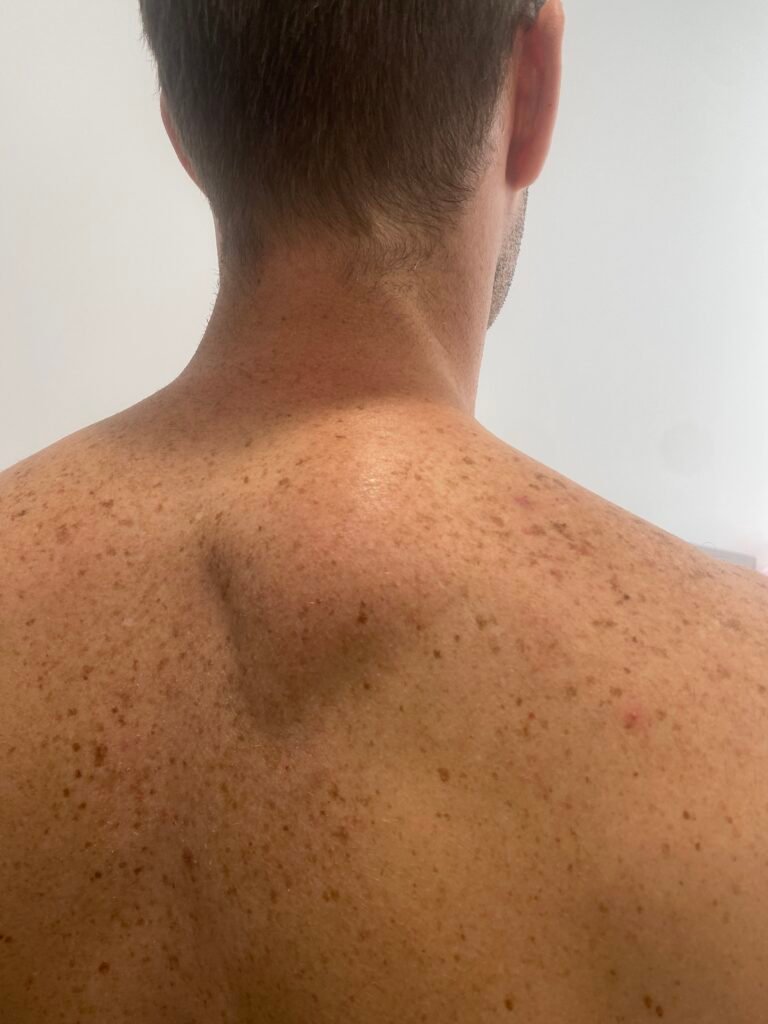
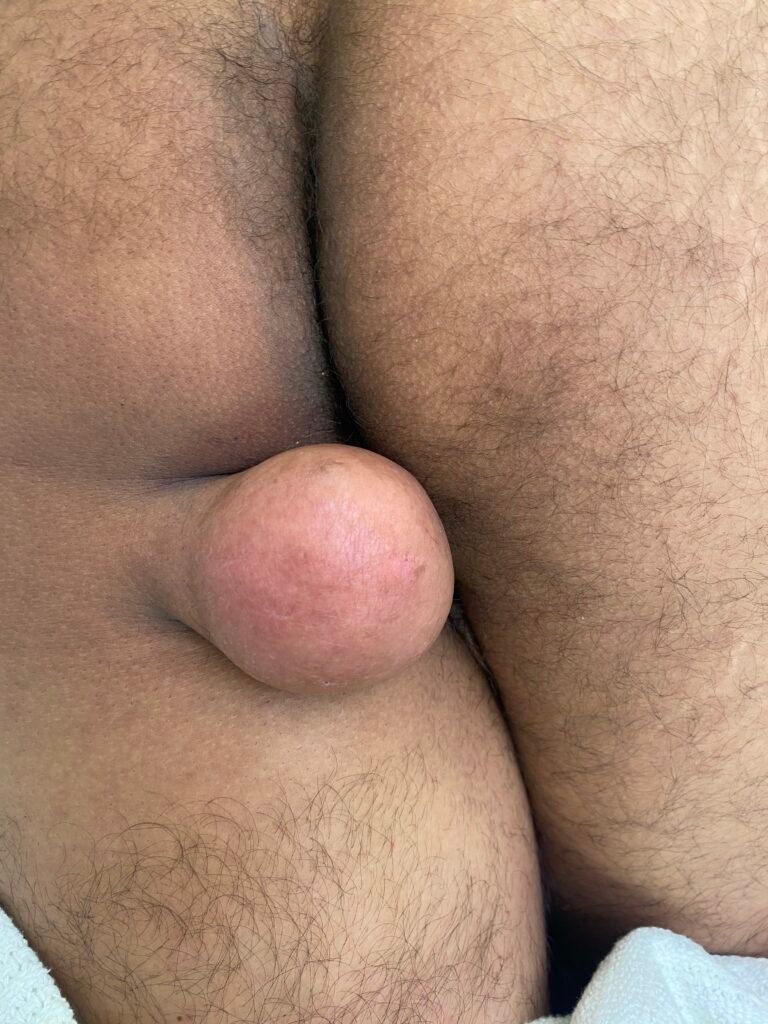
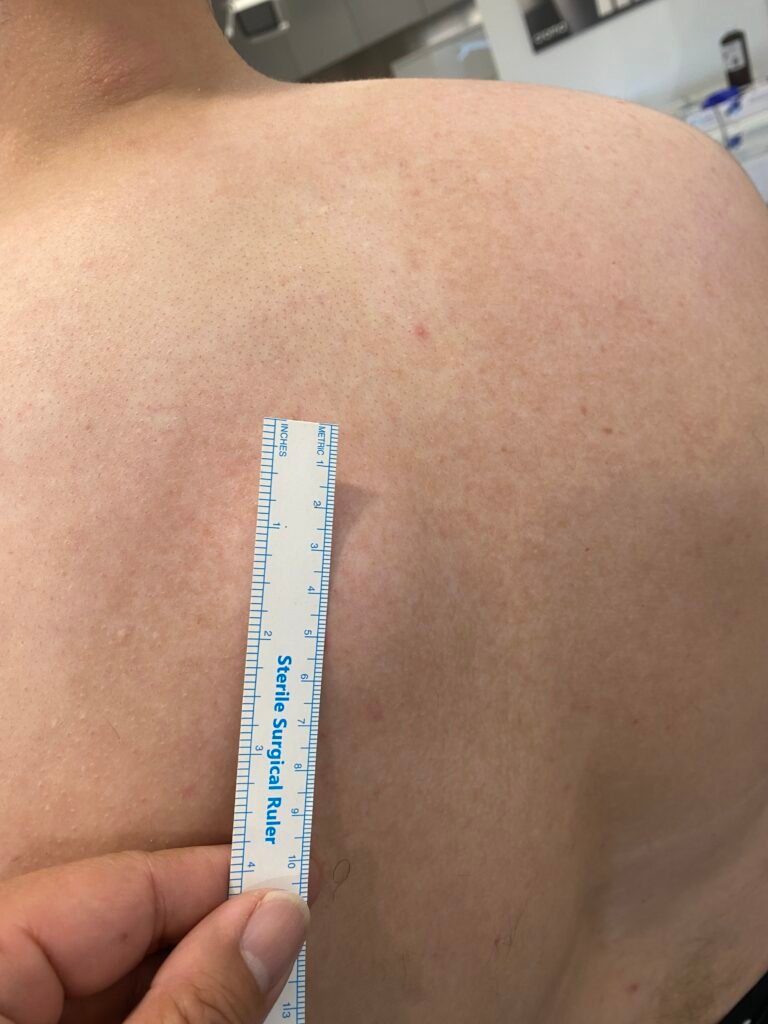
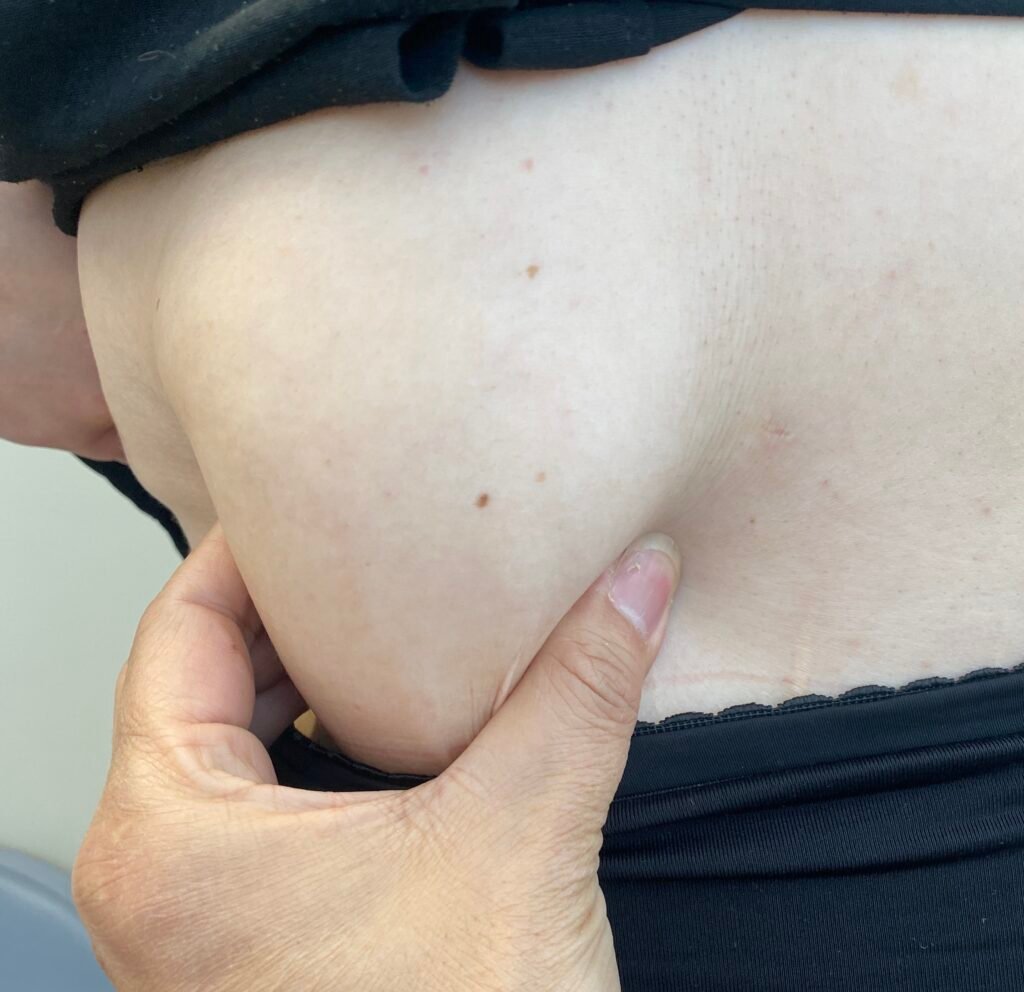
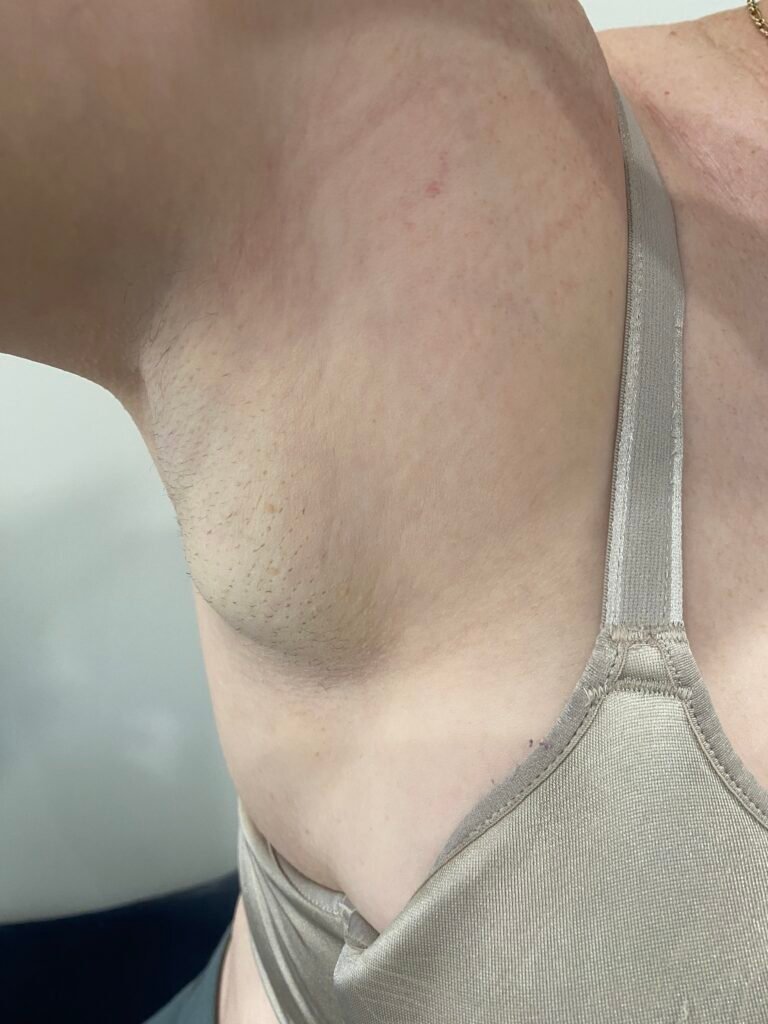
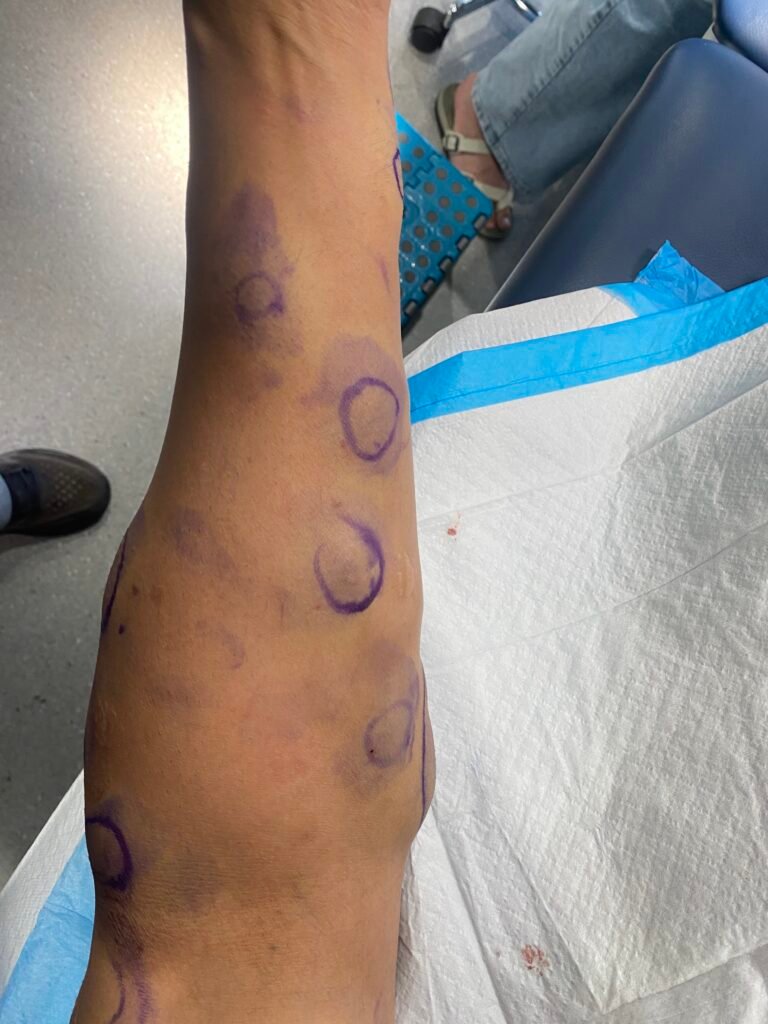
Lipoma Removal and Fatty Lump Excision
Lipoma removal surgery is a minor surgical procedure performed to remove benign fatty lumps known as lipomas. Lipomas are among the most common soft tissue growths and typically develop beneath the skin as soft, slow-growing fatty masses. All Lipomas should be remove as it will only get bigger over time. The bigger the lipomas the larger the incision required to remove the lipoma.
Although lipomas are usually non-cancerous and harmless, patients commonly seek lipoma removal because of:
-
Cosmetic concerns
-
Pain or tenderness
-
Pressure symptoms
-
Enlarging lumps
-
Discomfort with clothing
-
Restricted movement
-
Multiple lipomas
-
Anxiety regarding skin lumps
Lipoma excision is one of the most effective treatments because it completely removes the fatty lump and surrounding capsule, helping reduce recurrence and improve comfort and appearance.
What Is a Lipoma?
A lipoma is a benign growth composed of fatty tissue that develops beneath the skin.
Lipomas are typically:
-
Soft
-
Mobile
-
Slow growing
-
Painless
-
Located beneath the skin surface
They commonly occur in the:
-
Neck
-
Shoulders
-
Back
-
Arms
-
Chest
-
Abdomen
-
Thighs
Lipomas may occur as:
-
Single fatty lumps
-
Multiple lipomas
-
Familial lipomatosis
-
Painful lipoma syndromes
What Causes Lipomas?
The exact cause of lipomas is not always known; however, contributing factors may include:
-
Genetics
-
Family history
-
Minor trauma
-
Metabolic factors
-
Fat tissue overgrowth
Some patients develop multiple lipomas over time.
Symptoms of Lipomas
Lipomas commonly appear as:
-
Soft lumps beneath the skin
-
Rounded fatty masses
-
Slowly enlarging nodules
-
Mobile subcutaneous growths
While many lipomas are painless, some may become:
-
Tender
-
Painful
-
Inflamed
-
Restrictive with movement
Large or deep lipomas may occasionally compress nearby tissues.
Multiple Lipomas
Some patients develop multiple lipomas across different areas of the body.
This may occur in conditions such as:
-
Familial multiple lipomatosis
-
Dercum disease
-
Multiple symmetric lipomatosis
Patients with multiple lipomas may seek treatment due to:
-
Cosmetic appearance
-
Physical discomfort
-
Tenderness
-
Progressive enlargement
Multiple lipoma removal can often be performed in a staged or combined procedure approach.
Dercum Syndrome (Dercum Disease)
Painful Multiple Lipomas in Dercum Disease
Dercum disease, also known as adiposis dolorosa, is a rare condition characterised by:
-
Multiple painful lipomas
-
Chronic soft tissue pain
-
Tender fatty nodules
-
Increased sensitivity
-
Fat tissue discomfort
Patients with Dercum syndrome may develop:
-
Numerous painful lipomas
-
Widespread fatty deposits
-
Chronic discomfort affecting daily activities
The condition most commonly affects:
-
Arms
-
Legs
-
Abdomen
-
Trunk
-
Buttocks
Pain may range from mild tenderness to severe chronic discomfort.
Lipoma Removal for Dercum Syndrome
Patients with Dercum disease may seek surgical treatment to:
-
Remove painful lipomas
-
Reduce pressure symptoms
-
Improve mobility
-
Improve comfort
-
Reduce tenderness
-
Improve body contour
Because patients may develop numerous lipomas, treatment planning is highly individualised.
Approaches may include:
-
Removal of the most painful lipomas
-
Staged surgical procedures
-
Combined multiple lipoma excision
-
Symptom-focused treatment
Surgery may improve local discomfort in selected painful lesions.
Types of Lipomas
Superficial Lipomas
These occur just beneath the skin and are the most common type.
Deep Lipomas
Some lipomas extend deeper into:
-
Muscle layers
-
Connective tissue
-
Fascial planes
Deeper lesions may require more extensive surgical removal.
Angiolipomas
Angiolipomas contain blood vessels and are more likely to be painful or tender.
Fibrolipomas
These contain both fatty and fibrous tissue.
Lipoma Removal Procedure
Lipoma removal is usually performed under local anaesthetic as an outpatient procedure.
The procedure generally involves:
-
Numbing the area
-
Creating a small incision
-
Carefully dissecting the lipoma
-
Removing the fatty mass
-
Controlling bleeding
-
Closing the skin with sutures
Complete excision helps minimise recurrence.
Most procedures take:
-
20–90 minutes depending on size and complexity
Multiple Lipoma Removal Surgery
Patients with numerous lipomas may benefit from:
-
Multiple lesion removal in one session
-
Staged surgery
-
Tailored operative planning
Treatment planning depends on:
-
Number of lipomas
-
Location
-
Size
-
Symptoms
-
Recovery considerations
Careful planning helps minimise scarring while improving patient comfort.
Lipoma Removal on the Face
Facial lipomas may be particularly concerning cosmetically.
Special care is taken to:
-
Minimise visible scarring
-
Preserve facial contour
-
Optimise cosmetic healing
Meticulous closure techniques are commonly used in facial lump removal.
Neck Lipoma Removal
Lipomas commonly develop on the:
-
Back of the neck
-
Shoulders
-
Upper back
Large neck lipomas may:
-
Cause discomfort
-
Restrict movement
-
Become cosmetically prominent
Neck lipoma excision may improve both comfort and appearance.
Large Lipoma Removal
Large lipomas may:
-
Continue enlarging slowly
-
Cause pressure symptoms
-
Affect clothing fit
-
Become more visible
Large lipoma surgery may involve:
-
Longer incisions
-
More extensive dissection
-
Careful contour management
Lipoma Removal for Cosmetic Reasons
Many patients seek removal because:
-
The lump is visible
-
Clothing outlines the lipoma
-
Multiple lumps affect confidence
-
The lipoma enlarges over time
Removal may improve:
-
Skin contour
-
Body symmetry
-
Clothing fit
-
Cosmetic appearance
Recovery After Lipoma Removal
Recovery is usually straightforward.
Patients may experience:
-
Mild swelling
-
Bruising
-
Tenderness
-
Temporary firmness
-
Minor discomfort
Most patients:
-
Return to normal activities quickly
-
Experience minimal downtime
-
Have sutures removed within 1–2 weeks if required
Recovery depends on:
-
Lipoma size
-
Number removed
-
Surgical location
-
Individual healing response
Lipoma Removal Scars
All skin surgery creates scars; however, incisions are planned carefully to minimise visibility.
Scar appearance depends on:
-
Lipoma size
-
Surgical technique
-
Skin quality
-
Healing characteristics
Proper wound care and sun protection may help optimise scar healing.
Will Lipomas Come Back?
Recurrence is less likely when:
-
The entire lipoma is removed
-
The capsule is completely excised
However, some patients may continue developing new lipomas elsewhere, particularly in:
-
Familial lipomatosis
-
Dercum disease
Lipoma vs Sebaceous Cyst
Patients commonly confuse lipomas and sebaceous cysts.
Lipomas
-
Soft fatty lumps
-
Usually deeper
-
Mobile beneath the skin
-
Less likely to become infected
Sebaceous Cysts
-
Keratin-filled lesions
-
Often have a central pore
-
May rupture or become infected
Clinical assessment helps determine the correct diagnosis.
Do Lipomas Need Removal?
Not all lipomas require treatment.
Removal may be recommended if the lipoma:
-
Is painful
-
Enlarges
-
Restricts movement
-
Causes cosmetic concern
-
Becomes symptomatic
-
Creates diagnostic uncertainty
Assessment by an experienced practitioner is important.
Lipoma Removal Risks and Complications
As with any procedure, risks may include:
-
Infection
-
Bleeding
-
Bruising
-
Seroma formation
-
Scarring
-
Temporary numbness
-
Contour irregularity
-
Recurrence
-
Delayed wound healing
Careful surgical technique helps minimise complications.
Histology and Tissue Examination
Removed lipomas may be sent for:
-
Histopathology analysis
-
Confirmation of diagnosis
-
Exclusion of rare abnormal lesions
Most lipomas are benign non-cancerous growths.
Lipoma Removal Frequently Asked Questions
Are lipomas cancerous?
Most lipomas are benign and non-cancerous.
Can lipomas disappear naturally?
Lipomas usually persist and may slowly enlarge over time.
Is lipoma removal painful?
The procedure is usually performed under local anaesthetic with minimal discomfort.
How long does lipoma removal take?
Most procedures take approximately 20–90 minutes depending on size and number.
Can multiple lipomas be removed at once?
Yes. Multiple lipomas can often be removed during the same procedure depending on treatment planning.
Why Choose Professional Lipoma Removal?
Professional lipoma removal offers several advantages:
-
Accurate diagnosis
-
Complete fatty lump removal
-
Reduced recurrence risk
-
Improved cosmetic outcome
-
Histology assessment if required
-
Tailored treatment for multiple lipomas and Dercum syndrome
Using meticulous surgical techniques and personalised planning, lipoma removal surgery can improve both comfort and cosmetic appearance while safely treating benign fatty lumps and painful lipoma conditions.
Our Services

Breast Lift or reduction

Breast Implant

Abdominoplasty

Liposuction

Thigh Lift
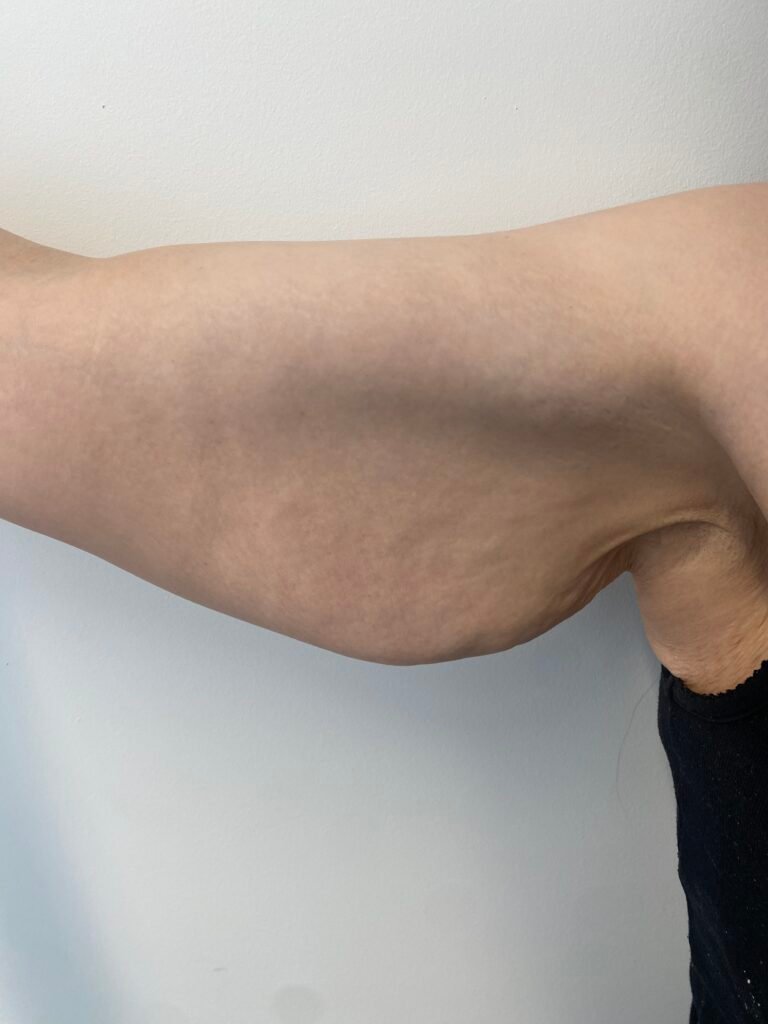
Arm Lift
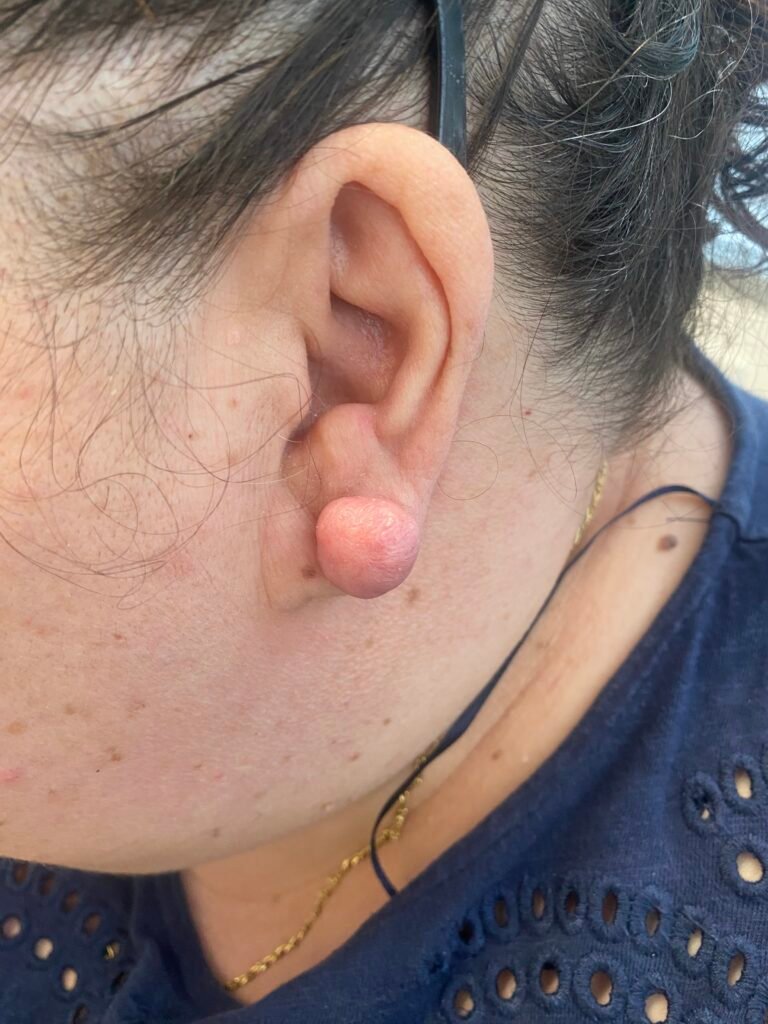
Skin lumps or keloid scars

Injectables
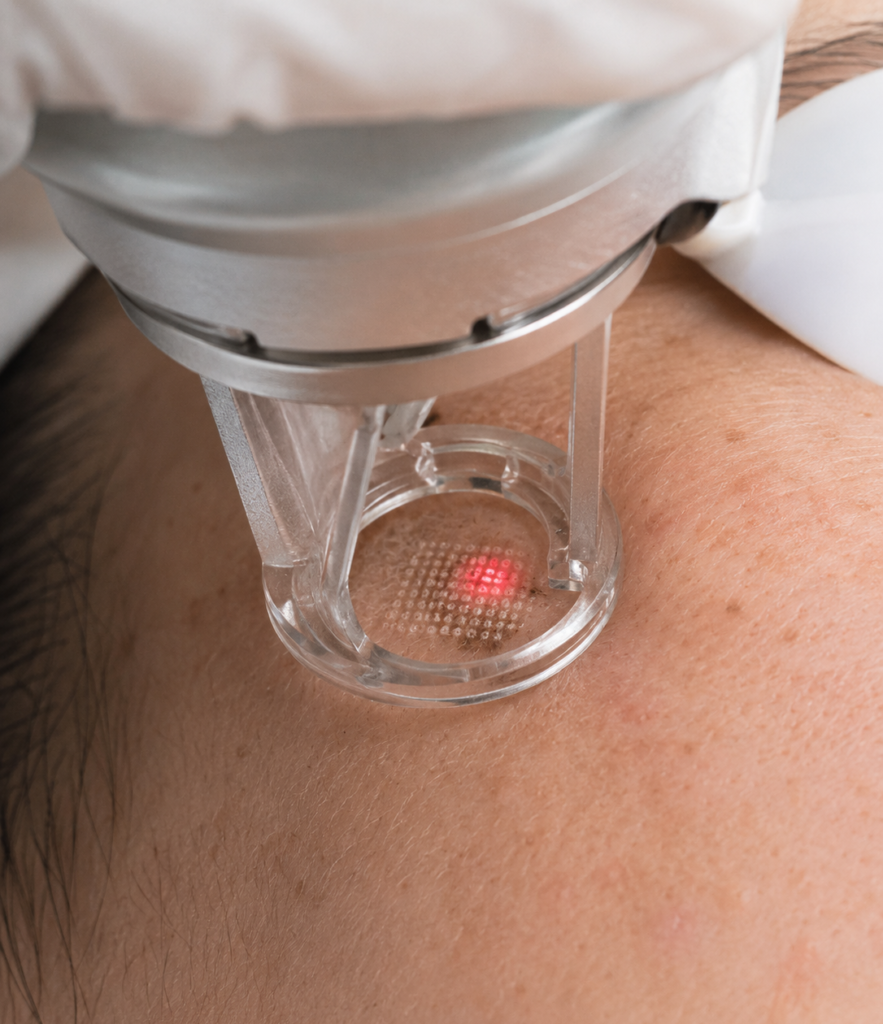
Fractional Co2 laser

Anti-aging

Facial fillers