
Medial Thigh Lift Surgery
Medial Thigh Lift (Inner Thigh Lift) Surgery
Medial thigh lift surgery, also known as inner thigh lift surgery, is a body contouring procedure designed to remove excess loose skin and reshape the inner thighs following weight loss, aging, or skin laxity.
The procedure focuses on improving:
Loose inner thigh skin
Hanging thigh tissue
Thigh contour irregularities
Skin rubbing and chafing
Excess skin after massive weight loss
Poor skin elasticity
Thigh asymmetry
Medial thigh lift surgery is particularly popular among patients who have experienced:
Massive weight loss
Bariatric surgery
Significant weight fluctuations
Pregnancy-related body changes
Age-related skin laxity
By removing excess skin and tightening the inner thighs, thigh lift surgery can help create smoother, firmer, and more proportionate leg contours.
What Is a Medial Thigh Lift?
A medial thigh lift is a cosmetic body contouring procedure that removes excess skin and soft tissue from the inner thighs.
The procedure is designed to:
Tighten loose thigh skin
Improve thigh contour
Reduce skin rubbing
Improve comfort during movement
Enhance lower body proportions
Improve clothing fit
Unlike liposuction alone, a thigh lift specifically addresses:
Excess skin
Skin laxity
Tissue sagging
which commonly occur after significant weight loss.
Massive Weight Loss and Excess Thigh Skin
Patients who experience major weight loss often develop:
Loose hanging thigh skin
Deflated soft tissue
Skin folds
Persistent skin irritation
Difficulty exercising
Hygiene concerns
Body contour irregularities
Even after successful weight loss, excess skin may not retract adequately due to:
Loss of skin elasticity
Collagen damage
Prolonged skin stretching
Medial thigh lift surgery is commonly performed after:
Bariatric surgery
Gastric sleeve surgery
Gastric bypass
Major lifestyle weight loss
The procedure removes excess skin that cannot be corrected through diet or exercise alone.
Benefits of Medial Thigh Lift Surgery
Medial thigh lift surgery may provide:
Tighter inner thighs
Reduced excess skin
Improved leg contour
Reduced skin chafing
Improved mobility
Easier exercise
Better clothing fit
Enhanced body proportions
Improved confidence
Many patients report improved comfort in:
Activewear
Swimwear
Fitted clothing
following surgery.
Who Is a Good Candidate for Thigh Lift Surgery?
Suitable candidates may include patients who:
Have loose inner thigh skin
Have excess skin after weight loss
Experience thigh rubbing or chafing
Have stable weight
Are physically healthy
Have realistic expectations
Patients are generally encouraged to:
Reach a stable goal weight
Maintain weight stability before surgery
Optimise nutrition after bariatric surgery
Types of Thigh Lift Surgery
Medial (Inner) Thigh Lift
This is the most common thigh lift procedure.
It focuses on:
Inner thigh skin tightening
Removal of excess medial thigh tissue
Improving thigh contour
Incisions are usually positioned:
Within the groin crease
Along the inner thigh
In hidden anatomical areas where possible
Vertical Thigh Lift
Patients with significant excess skin after massive weight loss may require:
Extended vertical excision
Longer inner thigh scar
More extensive skin removal
This technique allows removal of larger amounts of loose skin.
Mini Thigh Lift
A mini thigh lift may be suitable for:
Mild skin laxity
Limited excess skin
Smaller contour concerns
This approach usually involves shorter scars.
Medial Thigh Lift After Bariatric Surgery
Massive weight loss patients commonly develop:
Hanging skin folds
Deflated tissues
Inner thigh laxity
Friction-related skin irritation
Medial thigh lift surgery is frequently included as part of:
Post-bariatric body contouring
Massive weight loss reconstruction
Skin reduction surgery
The procedure may be combined with:
Abdominoplasty
Arm lift surgery
Lower body lift
Breast surgery
Liposuction
Comprehensive body contouring can help improve overall body proportions following major weight reduction.
Thigh Lift vs Liposuction
Liposuction
Liposuction removes excess fat but does not tighten significantly loose skin.
Thigh Lift Surgery
A thigh lift removes:
Excess skin
Loose tissue
Residual fat in selected cases
Patients with poor skin elasticity often require skin excision rather than liposuction alone.
Combination of Thigh Lift and Liposuction
Some patients benefit from combining:
Liposuction
Medial thigh lift surgery
This may improve:
Contouring
Skin tightening
Leg proportions
Final aesthetic results
Treatment planning is tailored individually.
Medial Thigh Lift Consultation
During consultation, important discussion topics include:
Skin quality
Amount of excess tissue
Scar placement
Surgical technique
Recovery expectations
Risks and complications
Long-term results
Patients with massive weight loss may also undergo:
Nutritional assessment
Weight stability evaluation
Comprehensive body contour analysis
Medial Thigh Lift Procedure
Thigh lift surgery is usually performed under general anaesthesia.
The procedure generally involves:
Marking excess skin
Creating carefully planned incisions
Removing loose tissue
Tightening deeper tissue layers
Reshaping the thigh contour
Closing the incisions carefully
Liposuction may also be used in selected areas.
Surgery duration depends on:
Amount of skin excess
Surgical complexity
Combined procedures
Medial Thigh Lift Scars
All thigh lift procedures create scars; however, incisions are strategically positioned to minimise visibility.
Scar location depends on:
Degree of skin excess
Surgical technique
Extent of correction
Scars may be positioned:
Within the groin crease
Along the inner thigh
Vertically in massive weight loss patients
Scar appearance generally improves progressively over time.
Recovery After Medial Thigh Lift Surgery
Recovery varies depending on:
Surgical extent
Combined procedures
Individual healing factors
Common temporary symptoms include:
Swelling
Bruising
Tightness
Temporary numbness
Mild discomfort
Most patients:
Walk shortly after surgery
Wear compression garments
Return to light activities within weeks
Avoid strenuous lower body exercise during healing
Compression garments may help:
Reduce swelling
Support healing
Improve contour adaptation
Medial Thigh Lift Recovery Timeline
First Week
Swelling and bruising common
Compression garments worn
Walking encouraged
Weeks 2–4
Gradual mobility improvement
Incisions continue healing
Swelling slowly reduces
Weeks 6–12
Contours become more refined
Activity increases gradually
Scars begin maturing
Long-Term Recovery
Final contour and scar maturation continue improving over several months.
Medial Thigh Lift for Chafing and Skin Irritation
Excess thigh skin may cause:
Friction
Skin rashes
Moisture trapping
Hygiene difficulties
Exercise discomfort
Thigh lift surgery may help reduce:
Skin rubbing
Irritation
Chronic discomfort
particularly in massive weight loss patients.
Massive Weight Loss Body Contouring
Following significant weight loss, patients often seek:
Excess skin removal
Improved body contour
Functional improvement
Skin fold reduction
Medial thigh lift surgery commonly forms part of:
Total body contouring
Post-weight loss reconstruction
Skin reduction surgery
The goal is to improve:
Comfort
Mobility
Body proportions
Clothing fit
Confidence
Risks and Complications of Medial Thigh Lift Surgery
As with all surgery, risks may include:
Infection
Bleeding
Seroma
Delayed wound healing
Scarring
Asymmetry
Temporary numbness
Skin separation
Contour irregularity
Need for revision surgery
Massive weight loss patients may have increased healing considerations due to:
Nutritional deficiencies
Large skin excisions
Skin quality changes
Careful surgical planning helps minimise complications.
Medial Thigh Lift Results
Patients commonly notice:
Firmer thighs
Reduced loose skin
Improved leg contour
Better mobility
Reduced skin irritation
Improved lower body proportions
Results continue improving as swelling resolves and tissues settle.
Will Loose Skin Return After Thigh Lift Surgery?
Thigh lift surgery permanently removes excess skin; however:
Aging continues
Weight fluctuations may affect results
Future major weight changes may alter contour
Maintaining stable weight may help preserve long-term outcomes.
Medial Thigh Lift Frequently Asked Questions
Can exercise remove excess thigh skin?
Exercise can improve muscle tone but usually cannot remove significantly stretched loose skin.
Is thigh lift surgery painful?
Most patients experience temporary tightness and soreness that improves during recovery.
Will I have scars after thigh lift surgery?
Yes, but scars are strategically positioned and generally improve over time.
How long is thigh lift recovery?
Recovery varies, but many patients resume light activities within weeks.
Can thigh lift surgery be combined with other procedures?
Yes. It is commonly combined with post-weight loss body contouring procedures.
Why Choose Medial Thigh Lift Surgery?
Medial thigh lift surgery remains one of the most effective procedures for treating loose inner thigh skin because it can:
Remove excess skin
Tighten thigh tissues
Improve body contour
Reduce skin rubbing
Improve comfort and mobility
Enhance confidence after weight loss
Using advanced body contouring techniques and personalised surgical planning, medial thigh lift surgery can provide long-lasting improvement for patients seeking smoother, firmer, and more proportionate thighs after aging or massive weight loss.
Our Services

Breast Lift or reduction

Breast Implant

Abdominoplasty
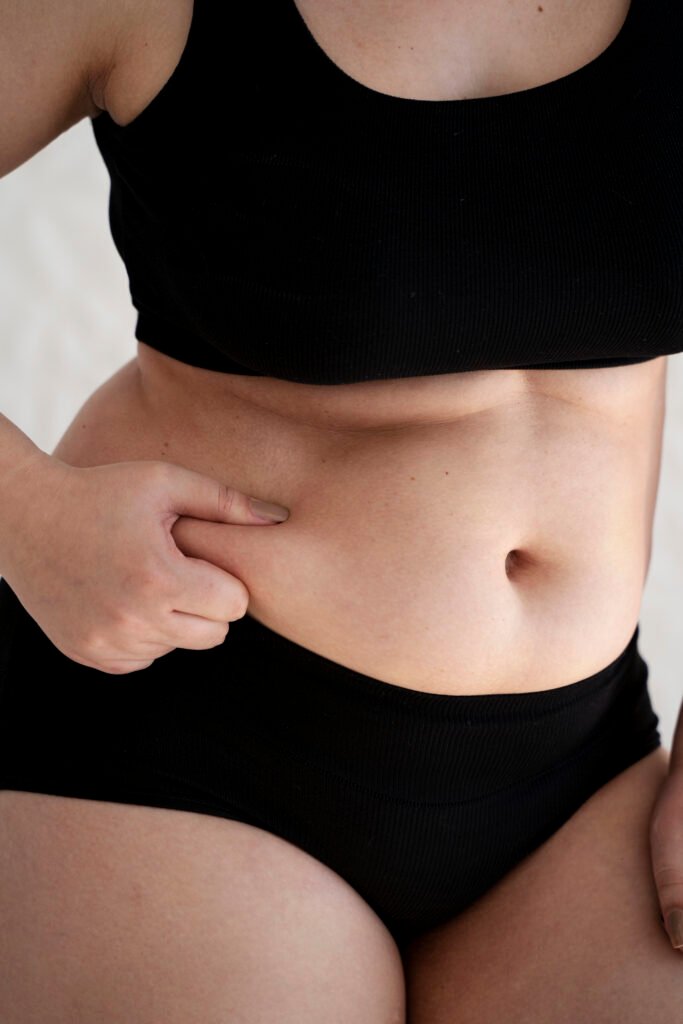
Liposuction

Thigh Lift
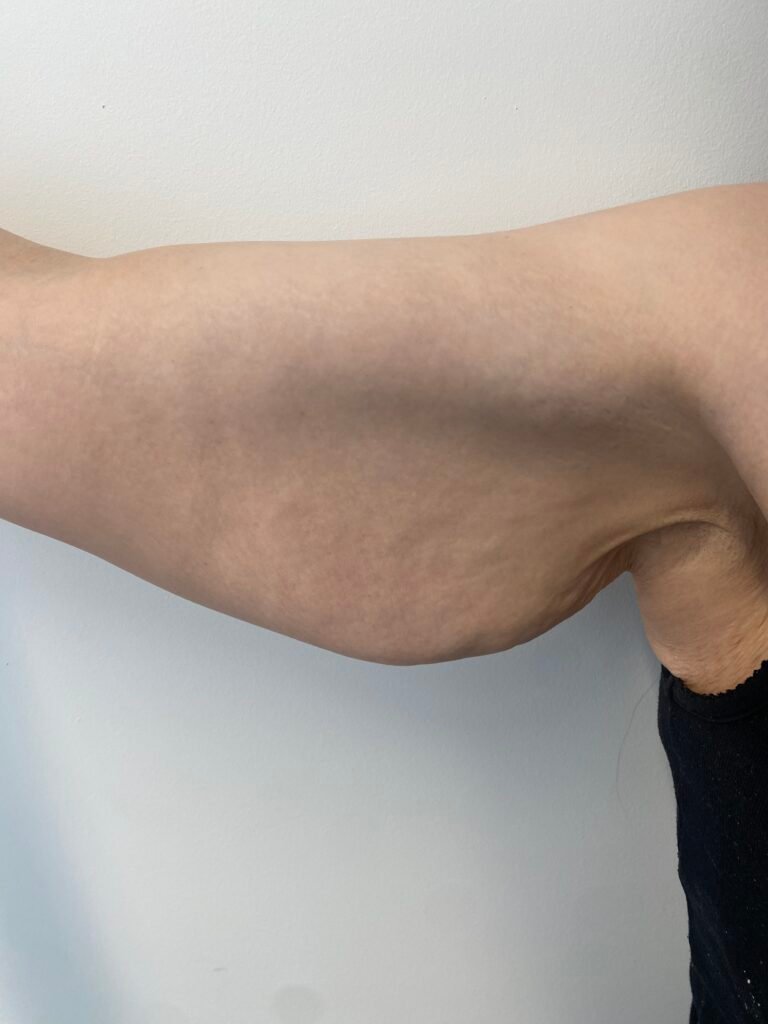
Arm Lift
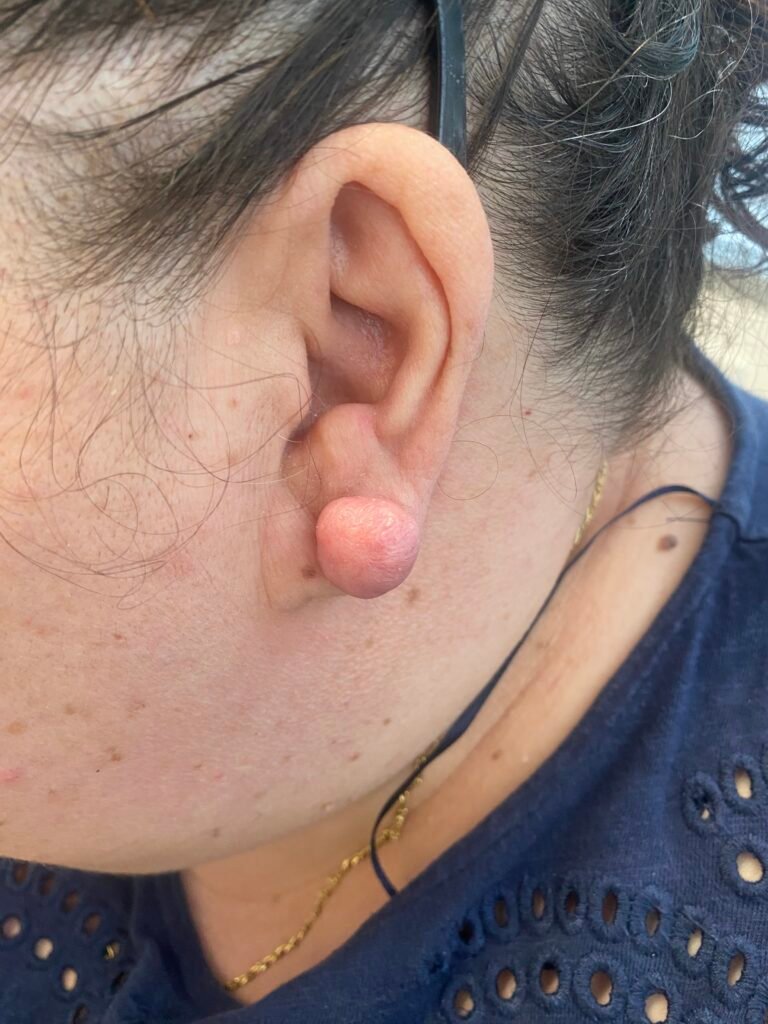
Skin lumps or keloid scars

Injectables
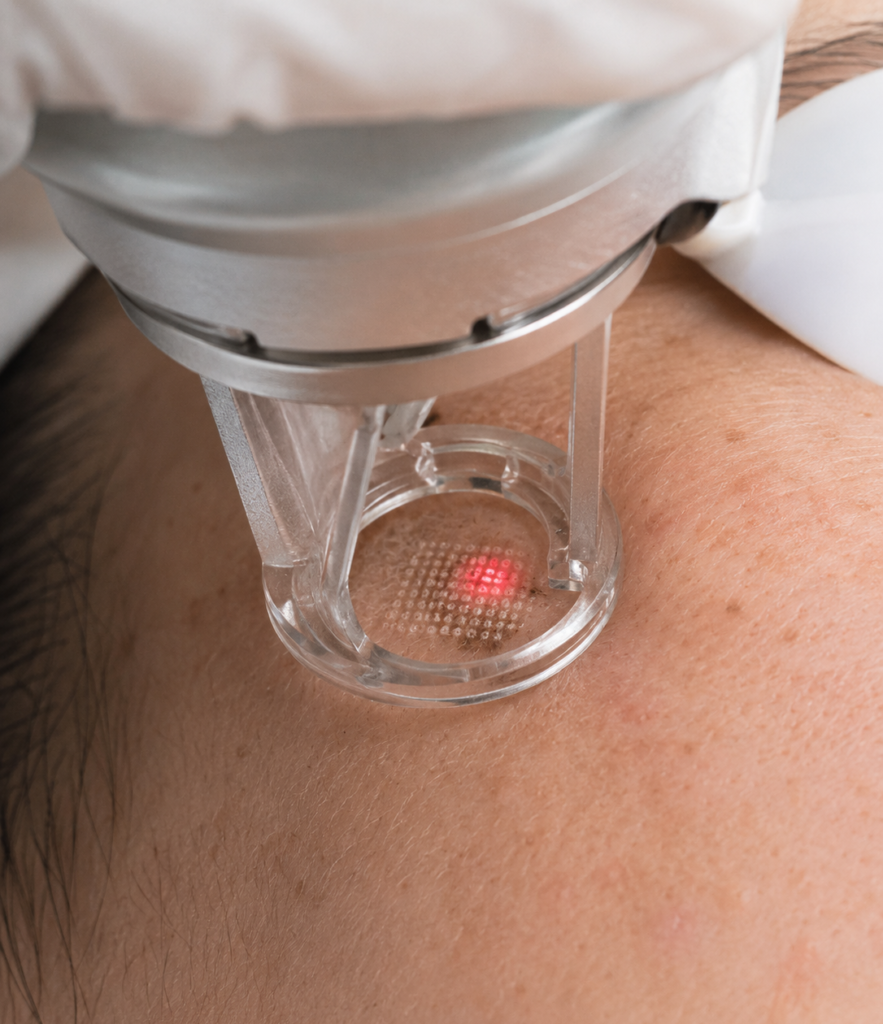
Fractional Co2 laser

Anti-aging

Facial fillers